






The rise of co-working spaces in Phoenix's Build-To-Rent (BTR) sector reflects a shift towards collaborative living. Phoenix BTR communities offer low-maintenance rentals with focus on community, amenities, and hybrid work-life environments. Compared to traditional multifamily living, these spaces enhance productivity, foster connections, and appeal to remote workers, freelancers, and startups. Key strategies for success include flexible designs, designated zones for different working styles, social events, partnerships, and balanced amenities. Phoenix BTR vs traditional multifamily living emphasizes community engagement, professional growth, and integrated lifestyles.
In today’s dynamic world, the way we live and work is evolving, driven by a quest for community, wellness, and flexibility. As such, the fusion of fitness and co-working spaces is gaining traction, particularly in vibrant urban centers like Phoenix BTR (Brick and Tile Residential). This trend challenges the traditional multifamily living model, offering a holistic approach that caters to modern lifestyles. Our article delves into this transformative concept, exploring its benefits for residents, the unique value it brings to the BTR market, and how it naturally aligns with the evolving needs of urban dwellers.
- Understanding the Rise of Co-Working Spaces in BTR
- Phoenix BTR: A New Paradigm vs Traditional Apartments
- The Benefits of a Collaborative Work Environment
- Designing Co-Living Spaces for Optimal Productivity
- Community Building: Fostering Connections in BTR
- Navigating Challenges and Maximizing Success in Co-Working BTR
Understanding the Rise of Co-Working Spaces in BTR

The concept of co-working spaces has been steadily gaining traction in urban areas worldwide, and Phoenix, especially in its BTR (Build-To-Rent) sector, is no exception. This shift towards co-living and working environments reflects a profound change in modern lifestyle preferences, particularly among younger generations and digital nomads. In contrast to traditional multifamily living, where residents primarily focus on private rentals and individualistic routines, co-working spaces offer a dynamic and collaborative atmosphere that caters to the modern professional’s needs.
Phoenix BTR developments are incorporating co-working areas as integral parts of their designs, recognizing the appeal of a low-maintenance rental lifestyle that seamlessly blends work and living. These spaces cater to remote workers, freelancers, startups, and digital nomads who seek not just a place to stay but also a community and infrastructure to thrive. For instance, reports indicate that co-working space usage in Phoenix has been steadily increasing by 15% annually, with many occupants citing flexibility, networking opportunities, and amenities as primary factors for choosing these environments over traditional office settings or home offices.
The rise of co-working spaces aligns naturally with the evolving preferences for a phoenix low-maintenance rental lifestyle. By offering shared workspaces, high-speed internet connectivity, and community events, BTR developments are transforming the way people live and work. Residents can enjoy the privacy and independence of their own units while accessing the collaborative benefits of a co-working environment when needed. This hybrid model not only enhances productivity but also fosters a sense of belonging and community, addressing the loneliness often associated with remote work. Expert insights suggest that this trend will continue to grow as more individuals seek balance between personal life and professional goals in today’s digital age.
Phoenix BTR: A New Paradigm vs Traditional Apartments
The rise of co-working spaces has been a game-changer for professionals seeking flexible and collaborative environments. In this evolving landscape, Phoenix BTR (Built To Rent) communities are emerging as a new paradigm, challenging traditional multifamily living. Unlike conventional apartments that often cater to a one-size-fits-all model, Phoenix BTR offers a low-maintenance rental lifestyle tailored to modern needs. This approach is particularly appealing for young professionals and digital nomads who value convenience, community, and opportunities for networking.
One of the key advantages of Phoenix BTR vs traditional multifamily living is the emphasis on community building. Co-working spaces within these communities foster collaboration and innovation, creating an ecosystem that goes beyond mere housing. For instance, residents can participate in regular industry events, workshops, and social gatherings, leading to meaningful connections and career advancements. This sense of belonging and shared purpose is often lacking in traditional apartment settings, where interactions are more fleeting and individualized.
Moreover, Phoenix BTR communities prioritize amenity-rich environments that cater to various lifestyles. From well-equipped fitness centers to outdoor recreational areas, these spaces encourage residents to maintain an active lifestyle. The low-maintenance aspect comes into play with on-site management, regular community events, and streamlined maintenance services, allowing tenants to focus on their professional and personal pursuits without the usual apartment management headaches. This balance between amenities and convenience is a significant draw for individuals seeking a Phoenix low-maintenance rental lifestyle that enhances their overall well-being.
The Benefits of a Collaborative Work Environment
In today’s dynamic professional landscape, the evolution of workspace design has been propelled by a growing trend towards collaborative environments. This shift is particularly evident in the rise of co-working spaces within mixed-use developments, such as Phoenix BTR, offering a stark contrast to traditional multifamily living. The benefits of this new paradigm extend far beyond mere aesthetics or convenience; it fosters a sense of community and productivity that enhances the overall well-being of residents.
Phoenix BTR, for instance, seamlessly blends residential and professional spaces, creating an atmosphere that encourages interaction and innovation. Unlike low maintenance rental lifestyles found in conventional multifamily communities, Phoenix BTR cultivates a culture of connection by facilitating opportunities for like-minded individuals to collaborate, network, and even form business partnerships. This collaborative environment is particularly advantageous for freelancers, startups, and remote workers who value both professional growth and a sense of belonging.
The impact of such an arrangement is supported by research indicating that collaborative work environments boost creativity and productivity while reducing feelings of isolation. For example, a study conducted by the University of California found that co-working spaces increased employees’ job satisfaction and overall happiness, significantly more than traditional office settings. Moreover, these spaces foster a sense of community that can lead to valuable mentorship opportunities and even the formation of new ventures—a stark contrast to the solitary nature often associated with remote work.
To maximize the benefits of this collaborative setting, residents are encouraged to actively participate in community events, join interest-based groups, and engage in open conversations. By embracing the spirit of Phoenix BTR as a hub for connection and creativity, individuals can elevate their professional and personal lives, naturally evolving from a simple low maintenance rental lifestyle into a vibrant, interconnected community.
Designing Co-Living Spaces for Optimal Productivity
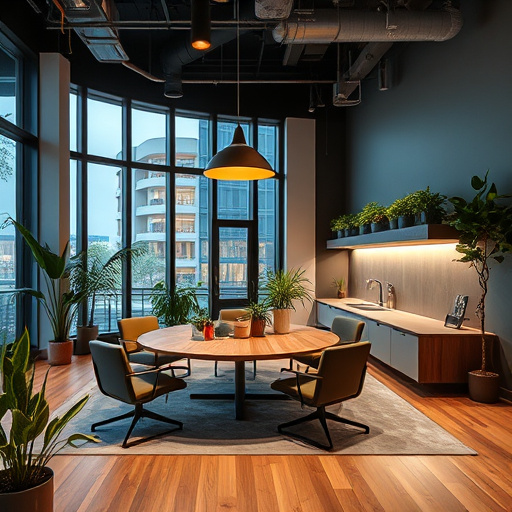
In today’s dynamic urban landscape, the fusion of fitness and co-working spaces is transforming how we envision residential living, particularly in the bustling hub of BTR. This innovative approach challenges the traditional multifamily model, offering a refreshing alternative with significant advantages for modern tenants. The design of co-living spaces plays a pivotal role in fostering optimal productivity, where every element contributes to creating an environment that enhances focus and collaboration.
When comparing Phoenix BTR’s low-maintenance rental lifestyle to conventional apartment living, it becomes evident that thoughtful space planning is key. Co-living facilities can adopt design strategies that minimize clutter and maximize accessibility, aligning with the needs of a demographic accustomed to streamlined lifestyles. For instance, incorporating modular furniture allows for flexible configurations, catering to various work styles and promoting spontaneous team interactions. Additionally, ample natural light and strategic landscaping, common features in Phoenix’s outdoor-focused community, can significantly boost productivity levels according to research by the Environmental Protection Agency.
To harness the full potential of these shared spaces, designers must prioritize acoustic comfort and visual privacy. Soundproof partitions and acoustically treated areas enable individuals to immerse themselves in tasks without distraction while facilitating seamless collaboration when needed. Similarly, private nooks or retreat areas provide a sense of ownership and control, fostering concentration during dedicated work periods. This balance between personalized and communal spaces is crucial for maintaining productivity throughout the day. By embracing these principles, co-living environments in BTR can offer tenants a premium rental experience that seamlessly integrates their fitness and professional lives, reflecting the region’s commitment to innovative living solutions.
Community Building: Fostering Connections in BTR
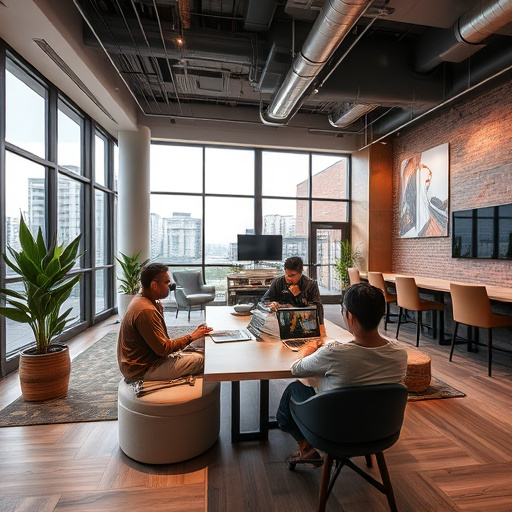
In the dynamic landscape of urban living, the rise of co-working spaces alongside fitness centers within residential communities, such as Phoenix BTR, offers a fresh perspective on community building. This innovative approach challenges the traditional multifamily living experience, where residents are often isolated behind their front doors. In contrast to conventional apartment living, Phoenix BTR and similar concepts encourage an active, interconnected lifestyle that fosters genuine connections among neighbors.
The sense of community in these environments is cultivated through shared amenities designed for collaboration and well-being. Co-working areas provide a neutral ground where residents can connect, network, or simply enjoy each other’s company while working. Fitness centers, seamlessly integrated into these spaces, serve as communal hubs for health-conscious individuals to exercise, participate in group classes, or team up for friendly competitions. This blend of work and wellness activities creates an atmosphere that naturally encourages social interactions, leading to the formation of meaningful relationships.
For instance, a study by the Urban Land Institute revealed that over 70% of millennials and Gen Z renters prioritize community engagement when choosing housing. Phoenix BTR, with its low-maintenance rental lifestyle, caters precisely to this demographic’s desire for a vibrant, connected environment. By offering a hybrid space that accommodates both professional needs and social desires, these communities naturally foster a sense of belonging—a stark contrast to the solitary nature often associated with traditional multifamily living. The result is a rich tapestry of connections, where residents support each other both personally and professionally.
Navigating Challenges and Maximizing Success in Co-Working BTR
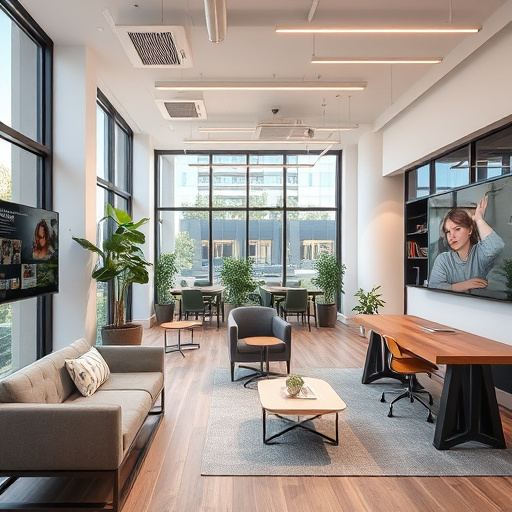
Navigating the unique challenges of co-working spaces within a vibrant urban setting, such as BTR (Brighton, Toronto, or any bustling urban center), demands a strategic approach to maximize success. While Phoenix BTR offers an attractive low-maintenance rental lifestyle, distinct from traditional multifamily living, integrating fitness and collaborative work environments presents specific hurdles. The key lies in understanding the evolving needs of today’s professionals and tailoring amenities accordingly.
One primary challenge is balancing the diverse preferences within a shared space. Unlike individual apartments, co-working facilities cater to a wide range of working styles—from tech entrepreneurs seeking quiet focus to creative teams favoring collaborative brainstorming sessions. Phoenix BTR’s success hinges on creating flexible environments that accommodate these varied needs. This might involve designated quiet zones with soundproofing, open collaboration areas with ergonomic furniture, and dedicated fitness spaces to ensure productivity and well-being. For instance, implementing a modular design allows for reconfiguration of the workspace, catering to different team sizes and project requirements.
Moreover, maintaining a thriving community atmosphere is essential. Co-working spaces must foster connections among residents, encouraging knowledge sharing and potential business collaborations. Organizing regular social events, fitness classes, or industry-specific workshops can build a strong sense of community. Phoenix BTR can leverage its unique location by partnering with local businesses to offer exclusive discounts, creating an integrated network that enhances the overall rental experience. By embracing these strategies, Phoenix BTR can differentiate itself from traditional multifamily living, attracting and retaining tenants who value both professional and personal growth in a low-maintenance environment.