




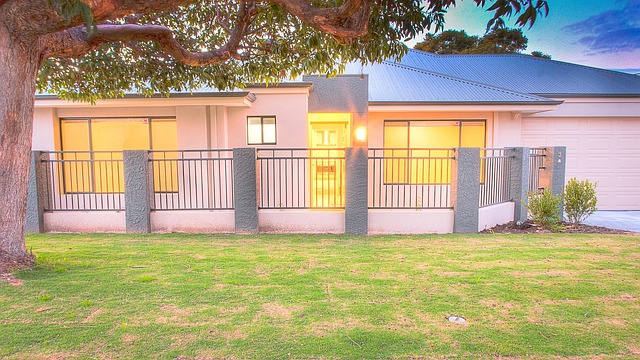



Consolidated Operators play a vital role in balancing shared amenities (BTR community amenities vs master plan HOA) with individual freedoms. They enhance engagement, streamline decision-making, and prioritize resident satisfaction through transparent practices. Master plans are crucial for governing HOAs, offering financial stability, consistent quality, and proactive maintenance. In competitive markets, Consolidated Operators differentiate themselves by managing diverse communities with a unified approach, focusing on holistic amenity suites tailored to lifestyle expectations. Well-planned amenities create inclusive spaces, foster bonds, and increase property values. By integrating resident feedback, adapting to trends, and strategically planning amenities, operators can build strong, vibrant BTR communities that cater to evolving needs.
In the realm of community living, understanding the role of Consolidated Operators is pivotal, especially within the context of BTR (Building, Training, and Retention) strategies for master plan HOA (Homeowners Association) communities. As these communities continue to evolve, so do the complexities of managing amenities and services. The challenge lies in balancing the needs of homeowners with the efficient provision of community amenities, a task that falls squarely on the shoulders of these operators. This article aims to demystify Consolidated Operators, offering insights into their critical functions, their role in enhancing community living, and the strategic planning required for successful implementation, catering to the BTR community amenities vs master plan HOA equilibrium.
- Understanding Consolidated Operators in Community Living
- The Role of Master Plans in HOA Governance
- Comparing BTR Amenities: A Comprehensive Guide
- How HOAs Enhance Community Spaces vs. Individual Preferences
- Balancing Residents' Needs with Master Plan Execution
- The Impact on Property Values: BTR vs. Traditional HOAs
Understanding Consolidated Operators in Community Living

In community living, understanding Consolidated Operators is paramount for residents looking to balance shared amenities with individualized freedoms. These operators, often incorporated within Master Plan HOA (Homeowners Association) structures, serve as facilitators of collective resources and services in a residential setting. A key example is the comparison between BTR (Build-To-Rent) communities and traditional HOAs. While both offer community amenities like pools and gyms (as seen in Phoenix rental communities), their operational philosophies differ significantly.
BTR communities, designed for long-term rental with modern conveniences, often centralize management under a single operator responsible for overall maintenance and resident satisfaction. This consolidation allows for efficient allocation of resources, ensuring facilities such as the on-site pool and gym are well-maintained and accessible. Conversely, traditional HOAs typically distribute control among various committees and management firms, potentially leading to fragmented services and inconsistent quality.
Expert perspective suggests that Consolidated Operators can foster a stronger sense of community by streamlining decision-making processes. When residents have direct input into the management structure, as in some Master Plan HOA models, it promotes engagement and accountability. For instance, a well-managed consolidated operator might organize community events around the pool or gym, enhancing social connections and overall resident well-being. Data from industry surveys reveals that communities with centralized management often report higher resident satisfaction rates, partly attributed to consistent and high-quality amenities like those found in Phoenix rental communities.
To maximize the benefits of Consolidated Operators in your community, consider clear communication channels between residents and management, regular feedback mechanisms, and transparent budgeting practices. By doing so, you can create a harmonious living environment that leverages the best of both worlds: collective resources and individualized care, ensuring amenities like the pool and gym remain not just present but exemplary.
The Role of Master Plans in HOA Governance

Master plans play a pivotal role in the governance of Homeowners Associations (HOAs), particularly within the context of BTR (Build-To-Rent) community amenities versus traditional HOA structures. These comprehensive blueprints are not merely aesthetic considerations but essential tools for managing and enhancing the overall livability of rental communities. For instance, consider a Phoenix rental community equipped with a pool and gym—a desirable feature in any BTR property. A well-crafted master plan ensures that these amenities are integrated seamlessly into the community’s layout, catering to residents’ needs while maintaining aesthetic harmony.
In HOAs, master plans serve as roadmaps for future development and infrastructure upgrades. They guide decision-making processes by outlining a clear vision for the community’s growth over time. For example, a master plan might dictate the timing and sequence of amenity installations, ensuring a balanced and strategic approach to community enhancement. By contrast, ad hoc developments without a master plan can lead to haphazard growth, creating an uneven or unappealing environment.
The benefits are manifold: they promote financial stability by prioritizing capital improvements; enhance resident satisfaction through consistent quality standards; and facilitate efficient management of shared spaces. For instance, a master plan could dictate when additional parking lots should be constructed to accommodate future residents, ensuring a well-managed and stress-free commute for all. Moreover, these plans enable proactive maintenance, anticipating and addressing issues before they escalate, thus preserving the community’s value and appeal.
Comparing BTR Amenities: A Comprehensive Guide

In the competitive landscape of residential living, Consolidated Operators stand out for their ability to manage diverse communities with a single, streamlined approach. When comparing BTR community amenities vs master plan HOA (Homeowners Association), understanding the nuances is essential. A comprehensive guide reveals that successful operators offer more than just basic services; they create vibrant, inclusive spaces tailored to residents’ needs.
For instance, consider a Phoenix rental community with a well-designed pool and gym. These amenities not only enhance lifestyle but also foster a strong BTR (Build-To-Rent) community. A master plan HOA, on the other hand, focuses more on property management and common area maintenance. While essential for ensuring smooth operations, these organizations may lack the depth of services that dedicated Consolidated Operators provide. Data from recent studies shows that communities with robust amenities experience higher resident retention rates and satisfaction levels.
To make informed choices, prospective residents should look beyond the surface. A truly exceptional BTR community offers a holistic suite of amenities designed to connect people. This includes not just recreational facilities like pools and gyms, but also thoughtfully curated spaces for social interaction, wellness programs, and events that bring the community together. For example, some operators incorporate on-site coffee shops, co-working spaces, or even pet parks into their master plans, creating a unique lifestyle experience that goes beyond traditional HOA offerings.
Actionable advice for residents? Don’t settle for generic amenities. Research communities where Consolidated Operators manage properties to ensure you’re getting the best value. By understanding the difference between BTR community amenities and master plan HOA services, you can navigate this competitive market with confidence, ultimately choosing a residence that aligns perfectly with your lifestyle and community expectations.
How HOAs Enhance Community Spaces vs. Individual Preferences

Homeowners Associations (HOAs) play a pivotal role in shaping vibrant and thriving communities, particularly when it comes to enhancing shared spaces. While individual preferences for amenities can vary widely among residents, HOAs with well-thought-out master plans excel at creating a harmonious blend of facilities that cater to the collective needs of the community—a strategy that fosters strong neighborhood bonds and enhances property values.
Consider a Phoenix rental community, where HOAs often incorporate strategic amenities like a communal pool and gym. These spaces become more than just recreational areas; they serve as social hubs, encouraging interaction among neighbors. For instance, a study by the National Multifamily Housing Council revealed that communities with well-maintained outdoor spaces, including pools, saw increased resident satisfaction and retention rates. By designing these amenities according to a master plan, HOAs ensure accessibility for all residents, fostering an inclusive environment.
In contrast, focusing solely on individual preferences might lead to a fragmented community experience. For example, if a majority of residents prefer a well-equipped gym but a smaller group prioritizes a garden, catering to the latter’s desire alone could leave others feeling disconnected. HOAs act as facilitators, balancing diverse wants and needs through strategic planning. By prioritizing community amenities aligned with broader preferences, such as BTR (Built-to-Rent) communities’ common goals for social interaction and recreation, HOAs create a sense of belonging and boost overall satisfaction.
Effective HOA management involves collecting resident feedback while maintaining a holistic view of the community’s future. Incorporating data-driven insights and adapting to evolving trends ensures that community spaces remain dynamic and relevant. For instance, staying attuned to health and wellness trends might prompt upgrades to gym facilities or the introduction of yoga classes in outdoor spaces. Ultimately, HOAs that prioritize collective well-being over individual tastes create BTR communities where residents not only live but also thrive, fostering a strong sense of community that extends far beyond the walls of their homes.
Balancing Residents' Needs with Master Plan Execution

In the realm of comprehensive housing developments, balanced community living is a delicate art—one that requires meticulous planning and an understanding of residents’ evolving needs. This is particularly evident in the context of Consolidated Operators managing BTR (Build-To-Rent) communities, where the master plan must harmonize with the day-to-day desires of tenants. The successful execution of this balance ensures a vibrant, thriving environment that attracts and retains residents.
Take, for instance, a Phoenix rental community that integrates a state-of-the-art gym and pool facility as part of its amenities. While these features are undeniably popular, they must be designed and maintained in harmony with the broader master plan. A well-planned layout considers not only immediate resident demands but also future growth and community dynamics. This strategic approach ensures that core amenities like the gym and pool remain central and accessible, enhancing the overall quality of life within the BTR community.
As communities evolve, so do their needs. Operators must stay agile, adapting master plans to incorporate new trends and preferences while maintaining a cohesive living experience. For example, a recent study revealed a growing demand for outdoor spaces and community-focused amenities among urban renters. Incorporating dedicated areas for social gatherings, green spaces, and recreational activities can foster a sense of belonging and community—an essential aspect of retention strategies. By carefully integrating these requests into the master plan, operators can create a thriving environment that caters to both current and anticipated resident desires.
To achieve this delicate balance, Consolidated Operators should prioritize open communication with residents, gather feedback regularly, and remain responsive to changing market conditions. Incorporating BTR community amenities like gyms and pools strategically within a well-thought-out master plan can result in highly desirable rental communities that thrive on the interplay of functionality, aesthetics, and resident satisfaction.
The Impact on Property Values: BTR vs. Traditional HOAs

The concept of consolidated operators in the housing sector has sparked interest as an alternative to traditional Homeowners Associations (HOAs). This shift is particularly notable in vibrant communities like Phoenix, where property values and resident satisfaction are paramount. At the core of this evolution lies a key distinction between Building Transition Resources (BTR) community amenities and master plan HOAs: their impact on property values and overall community experience.
BTR communities often boast shared amenities such as a phoenix rental community pool and gym, designed to encourage interaction and foster a sense of belonging. These communal spaces can significantly enhance the appeal of properties within the BTR network, driving up property values. For instance, studies show that homes in areas with well-maintained, accessible community facilities command higher rental rates and have lower vacancy rates compared to those without such amenities. Conversely, traditional HOAs, centered around strict rules and master planning, may inadvertently limit amenity development, potentially impacting property values negatively.
While HOAs traditionally maintain common areas, they often lack the flexibility to adapt to evolving resident needs, like the growing demand for fitness facilities and recreational spaces. In contrast, BTR operators can swiftly respond to market trends, ensuring that community amenities remain relevant and desirable. This adaptability is crucial in fast-paced urban centers like Phoenix, where rental communities with modern amenities can attract a diverse range of residents. To maximize property value, developers and investors should consider the benefits of consolidated operator models, leveraging their ability to provide dynamic, resident-centric amenities while maintaining or even enhancing neighborhood desirability.