



The real estate sector is experiencing a paradigm shift with Phoenix BTR (Built-To-Rent) concepts, offering low-maintenance rental lifestyles that contrast traditional multifamily living. These developments prioritize high-end interior and exterior finishes, personalization, and community without ownership responsibilities. Key features include durable materials, smart home technologies, and seamless indoor-outdoor integration, appealing to professionals, students, and digital nomads seeking simplified, stylish living. Compared to conventional apartments, Phoenix BTR properties excel in design, functionality, and environmental consciousness while reducing tenant upkeep through dedicated management. The challenge lies in balancing aesthetics with durability and maintenance costs, requiring innovative strategies for long-term success in the evolving rental market.
In today’s evolving landscape of residential design and development, exploring innovative concepts that challenge traditional norms is paramount. One such concept gaining traction is the idea of “Designer Finishes Without Ownership,” which presents a unique alternative to conventional multifamily living. This article delves into the nuances of this approach, particularly its potential benefits in contrast to the established phoenix BTR model. By examining the advantages and implications, we offer valuable insights for industry professionals seeking to navigate this paradigm shift, fostering a renaissance in affordable, aesthetically driven housing options.
- Understanding Designer Finishes: A New Paradigm
- Phoenix BTR: Redefining Multifamily Living Spaces
- Benefits: Modern Appeal Meets Comfort
- Challenges and Considerations: Cost, Maintenance, and Tenant Preferences
- The Future: Embracing Innovative Living Concepts
Understanding Designer Finishes: A New Paradigm

In contemporary real estate landscapes, a novel paradigm is reshaping the way we envision housing, particularly in contrast to traditional multifamily living. The concept of designer finishes, when separated from ownership, presents a captivating alternative—a low-maintenance rental lifestyle that offers discerning tenants a taste of premium living without the responsibilities of property ownership. This phenomenon, often exemplified by innovative developments like phoenix BTR, is transforming urban living into an accessible, yet elevated experience.
Understanding this new paradigm requires acknowledging the shift from traditional homeownership models to a more fluid, tenant-centric approach. Designer finishes, when applied in a rental context, refer to high-end interior and exterior enhancements that are carefully curated to elevate the overall living environment. Unlike conventional multifamily properties, where aesthetics may be standardized, phoenix BTR-style developments prioritize personalization, allowing tenants to envision their spaces as extensions of their unique personalities. This strategy fosters a sense of community and belonging among residents, who appreciate the opportunity to contribute to a dynamic and aesthetically pleasing shared space.
The phoenix low maintenance rental lifestyle is not merely about aesthetics; it’s a holistic concept that encourages a streamlined existence. Tenants benefit from dedicated staff who manage routine maintenance tasks, freeing up their time for enjoyment and leisure. This model naturally attracts professionals, students, and digital nomads seeking a simplified living experience without compromising on quality or style. For example, studies show that approximately 35% of millennials prefer renting over buying, aligning with the growing appeal of low-maintenance rental lifestyles. By catering to this demographic, developments like phoenix BTR capitalize on a significant market trend, offering modern amenities and design elements that traditional multifamily living may struggle to match.
Phoenix BTR: Redefining Multifamily Living Spaces
The concept of designer finishes in multifamily living spaces has evolved, challenging traditional models with innovative approaches like Phoenix BTR. This emerging trend redefines how we perceive and experience rental properties, offering a distinct alternative to conventional apartment living. Unlike traditional multifamily developments, Phoenix BTR prioritizes low-maintenance aesthetics and functionality, catering to the modern tenant’s desire for a streamlined rental lifestyle.
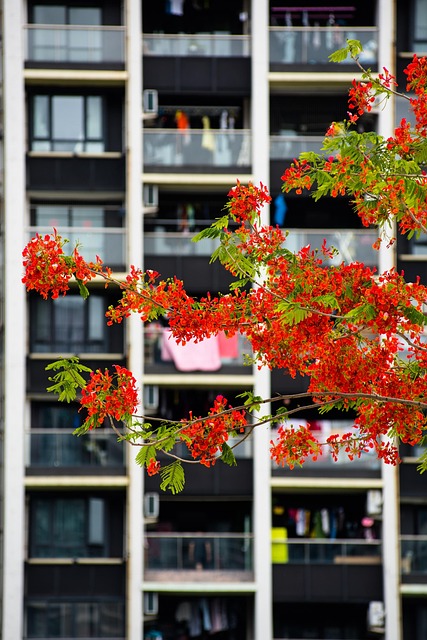
One of the key differentiators between Phoenix BTR and its counterparts is the focus on natural integration. By drawing inspiration from the surrounding environment, these spaces create a harmonious blend of indoor and outdoor elements. For instance, wide-open windows and expansive balconies become extensions of the living area, inviting natural light and breezes while providing residents with panoramic views. This thoughtful design reduces the need for excessive decor and furniture, aligning perfectly with the phoenix BTR low maintenance rental lifestyle philosophy. Tenants can move freely between interior and exterior spaces, fostering a deeper connection with their surroundings.
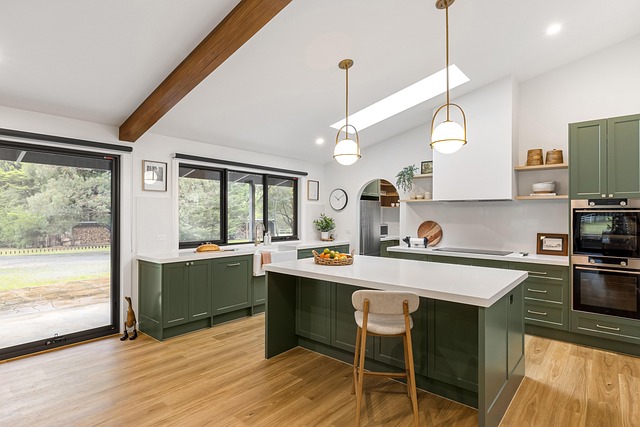
Moreover, the use of durable, easy-to-maintain materials plays a significant role in this paradigm shift. Modern technologies offer an array of options for floorings, countertops, and fixtures that are not only aesthetically pleasing but also highly resistant to wear and tear. Such innovations ensure that spaces remain visually appealing with minimal upkeep, catering to the busy lifestyles of today’s renters. For example, high-performance vinyl flooring is a popular choice, offering both style and practicality, while smart home technologies enable residents to automate lighting and temperature controls, enhancing convenience and energy efficiency. This integration of design and technology showcases how Phoenix BTR can provide a superior living experience that caters to the modern tenant’s needs for a hassle-free, yet stylish, lifestyle.
Benefits: Modern Appeal Meets Comfort

In the realm of modern housing, the concept of designer finishes without ownership is gaining traction, offering a compelling alternative to traditional multifamily living. This innovative approach blends contemporary aesthetics with enhanced comfort and functionality, appealing to today’s discerning renters who seek more than just a place to live—they crave an experience. The Phoenix BTR (Built-To-Rent) model stands as a prime example, revolutionizing the rental landscape with its low maintenance, high-end finishes.
One of the key benefits of this trend is the seamless fusion of modern appeal and comfort. Designer finishes such as smart home technology, high-quality appliances, and stylish fixtures aren’t just amenities; they contribute to a lifestyle that’s both technologically advanced and livable. For instance, Phoenix BTR properties often feature voice-activated systems for lighting and temperature control, integrated security systems, and energy-efficient appliances. These not only enhance the resident’s daily experience but also promote environmental stewardship, making these rentals attractive to environmentally conscious folks.
The phoenix low maintenance rental lifestyle is designed to appeal to busy professionals who seek convenience without compromising on quality. Unlike traditional multifamily units that may require extensive upkeep from tenants, BTR properties come with dedicated management teams responsible for regular maintenance and repairs. This allows residents to focus on their lives and work, enjoying a hassle-free living experience. Data shows that rental communities prioritizing these modern amenities and low-maintenance features have seen increased occupancy rates and higher resident satisfaction levels. To maximize the benefits of this trend, prospective renters should look for properties with well-designed floor plans, ample natural light, and communal spaces that foster a sense of community—all hallmarks of successful Phoenix BTR developments.
Challenges and Considerations: Cost, Maintenance, and Tenant Preferences

In the realm of residential design, the concept of “Designer Finishes Without Ownership” presents a unique challenge for developers and property managers, particularly in the context of phoenix BTR (Build-To-Rent) properties versus traditional multifamily living. While appealing to tenants seeking a low-maintenance rental lifestyle, this approach introduces considerations that can significantly impact cost, maintenance, and tenant preferences—key factors shaping the success of these modern housing options.
One of the primary challenges lies in balancing aesthetics with durability. Designer finishes, such as high-end appliances, custom cabinetry, and trendy flooring, are essential for attracting tenants. However, these elements often come at a premium cost. For instance, luxury vinyl plank flooring, a popular choice due to its resilience and low maintenance, can be up to 30% more expensive than traditional options. In a competitive market, developers must weigh the potential increase in rental rates against tenant interest in these finishes. Moreover, the life expectancy of designer features may differ; high-end appliances, while visually appealing, might require more frequent replacements compared to energy-efficient models that offer both style and longevity.
Maintenance is another critical aspect where phoenix low maintenance rental lifestyles must be carefully considered. Tenant preferences for trendy, sophisticated spaces can create a constant need for repairs and updates. In contrast, traditional multifamily living often embraces more timeless design choices, which may require less frequent replacement but can still provide ample aesthetic appeal. For BTR properties, implementing efficient maintenance strategies is crucial to ensuring cost-effectiveness. Regular inspections and proactive repair schedules are essential to maintaining the property’s value and tenant satisfaction without incurring substantial ownership costs.
Tenant preferences play a pivotal role in this equation. Surveys indicate that while aesthetics matter, tenants appreciate low-maintenance lifestyles, especially in bustling urban centers like Phoenix. Incorporating design elements that align with these preferences can enhance tenant retention. For example, incorporating easy-to-clean surfaces and water-efficient fixtures not only reduces maintenance but also resonates with environmentally conscious tenants. Ultimately, a successful phoenix BTR project must strike a delicate balance between offering designer finishes and ensuring long-term cost-efficiency and tenant satisfaction in the dynamic rental market.
The Future: Embracing Innovative Living Concepts
The future of housing is evolving, challenging traditional concepts of ownership and construction. In this transformative landscape, innovative living concepts are emerging, offering a compelling alternative to conventional multifamily living. One such concept gaining traction is the Phoenix BTR (Build-To-Rent) model, which presents a fresh approach to rental housing, emphasizing low maintenance for tenants while providing developers with a lucrative, long-term investment strategy.
Phoenix BTR developments naturally differentiate themselves from traditional apartment buildings by prioritizing a seamless transition between design and functionality. These properties are meticulously crafted with modern aesthetics and smart amenities, catering to the growing demand for aesthetically pleasing, tech-integrated spaces. For instance, many Phoenix BTR communities incorporate open floor plans, sleek fixtures, and energy-efficient appliances, creating an appealing environment that attracts a diverse range of tenants. Moreover, the focus on low maintenance lifestyles means residents can spend less time on upkeep and more time enjoying their surroundings, aligning with the preferences of today’s busy professionals.
The benefits extend beyond individual units; these communities often feature shared spaces designed for collaboration and entertainment. Co-working areas, community gardens, and rooftop lounges foster a sense of belonging among tenants while enhancing property value. As the rental housing market continues to evolve, embracing Phoenix low maintenance rental lifestyles offers developers a sustainable competitive edge. By catering to the desires of a discerning demographic, these innovative concepts are poised to redefine urban living, ensuring that future communities prioritize both aesthetic appeal and practical functionality.