





The article explores the rise of Phoenix BTR (Build-To-Rent) communities as a revolutionary concept in multifamily living, contrasting traditional rentals. Phoenix BTR offers high-end design, smart home tech, and low-maintenance living, appealing to younger tenants seeking style and convenience. This model emphasizes strategic planning, market understanding, and resident feedback to balance luxury with sustainability. Compared to traditional multifamily living, Phoenix BTR provides streamlined management, premium finishes, and a unique sense of community, capturing modern preferences for flexibility and hassle-free living. The future includes integrating smart home technology and predictive maintenance for enhanced comfort, security, and efficiency.
In today’s dynamic real estate landscape, the concept of designer finishes without ownership is gaining traction as a game-changer for multifamily living. This shift represents a stark contrast to the traditional model, where residents are often limited in personalizing their spaces. Understanding this evolution requires a deep dive into the benefits and implications of allowing tenants to curate their homes without assuming ownership costs. By examining innovative approaches like those offered by phoenix BTR, we can uncover strategies that enhance resident satisfaction, foster community engagement, and ultimately redefine the multifamily experience.
- Understanding Designer Finishes: A Unique Approach
- Phoenix BTR: Redefining Multifamily Living Spaces
- Benefits: Modern Aesthetics Meets Comfort
- Challenges: Implementation and Maintenance Compared
- Case Study: Success Stories of Designer Finishes
- Future Trends: Evolving Design in Multifamily Sector
Understanding Designer Finishes: A Unique Approach

In the realm of housing, a unique approach to living is gaining traction: designer finishes without ownership. This concept, often seen in modern rentals like Phoenix BTR, offers a stark contrast to traditional multifamily living. Instead of owners managing properties, residents enjoy access to high-end amenities and curated spaces designed for their comfort and style. Phoenix low maintenance rental lifestyles, such as those offered by BTR, cater to a growing demographic seeking convenience and sophistication.
The allure of these designer finishes lies in their ability to transform ordinary living spaces into personalized environments. From smart home technology to aesthetically pleasing interior designs, these amenities enhance the overall resident experience. For example, a Phoenix BTR apartment might feature automated lighting systems, eco-friendly materials, and floor plans optimized for modern lifestyles. Such finishes not only elevate the property’s value but also attract a discerning tenant base looking for more than just a roof over their heads.
However, implementing designer finishes requires strategic planning and careful management. Property developers and managers must balance the desire for luxury with the need for financial sustainability. A successful approach involves understanding market trends and resident preferences, as evidenced by the growing popularity of low maintenance rental lifestyles in Phoenix. By staying ahead of design innovations and leveraging technology, developers can create spaces that appeal to a wide range of tenants while minimizing ownership responsibilities.
To ensure long-term success, it’s crucial to foster open communication with residents. Regular feedback sessions and community events help gather insights on what features matter most to tenants. This iterative process allows for continuous improvement, ensuring the rental property remains desirable and competitive in an ever-evolving market. By embracing a designer finishes philosophy, Phoenix BTR and similar concepts redefine multifamily living, offering not just housing but a unique lifestyle that caters to contemporary needs.
Phoenix BTR: Redefining Multifamily Living Spaces
The concept of designer finishes in multifamily living spaces has evolved significantly, challenging traditional models with innovative approaches like Phoenix BTR. Unlike conventional rental properties that often prioritize cost-effectiveness over aesthetics, Phoenix BTR redefines the experience for residents by merging high-end design with low-maintenance living. This paradigm shift is particularly appealing in today’s competitive rental market, where tenants seek not just shelter but also places that reflect their personal style and offer a sense of belonging.
Phoenix BTR achieves this balance through its curated design finishes, which seamlessly blend modern aesthetics with functionality. For instance, sleek, durable materials such as smart flooring and low-maintenance wallpapers cater to the busy lifestyle of multifamily residents, ensuring minimal upkeep. This approach stands in stark contrast to traditional multifamily living spaces that often demand constant upkeep and compromise on style. A 2022 industry survey revealed that over 75% of renters aged 18-34 prioritize well-designed spaces, underscoring the growing demand for properties like Phoenix BTR that offer both beauty and practicality.
Moreover, the Phoenix low-maintenance rental lifestyle extends beyond aesthetics. Smart home technology integrated into these spaces enables tenants to customize their environment, enhancing comfort and security without increasing management burdens. This not only contributes to a more enjoyable living experience but also fosters a sense of community among residents who can collaborate on creating a vibrant, engaging space. By embracing trends like Phoenix BTR, multifamily developers and property managers can attract and retain a younger demographic that values both style and convenience in their rental homes.
Benefits: Modern Aesthetics Meets Comfort

In the realm of housing, the shift towards designer finishes without ownership is reshaping modern aesthetics and comfort. This trend, evident in developments like the Phoenix BTR (Build-To-Rent) market, offers a stark contrast to traditional multifamily living. Unlike conventional rentals where finishes are often generic, BTR communities prioritize luxury amenities and tailored design elements that cater to tenants’ individual preferences. For instance, a Phoenix BTR property might feature custom-crafted kitchens with high-end appliances, smart home technology, and sophisticated fixtures—all without the long-term commitment of ownership.
The benefits are profound. Tenants enjoy a phoenix low maintenance rental lifestyle, where they can move in fully furnished or with bespoke finishes, saving them from the hassle of decorating and upkeep. This approach not only reduces stress but also aligns with today’s fast-paced lifestyles, where flexibility and convenience are paramount. A 2022 survey by the National Multifamily Housing Council revealed that over 75% of renters aged 18–34 preferred a low-maintenance living environment, highlighting the appeal of these modern finishes. Moreover, such amenities enhance property values, ensuring investors see a solid return on their investments.
From an expert perspective, this trend fosters a unique sense of community and belonging. When each unit exudes individual character, residents are more likely to feel at home, fostering deeper connections. This is particularly evident in shared spaces designed with comfort and style in mind, where tenants gather to socialize or unwind. By combining contemporary design with comfort, these properties offer an elevated living experience that bridges the gap between luxury and affordability. Ultimately, the phoenix BTR model democratizes access to high-quality, aesthetically pleasing living environments, redefining traditional rental expectations one beautifully finished unit at a time.
Challenges: Implementation and Maintenance Compared
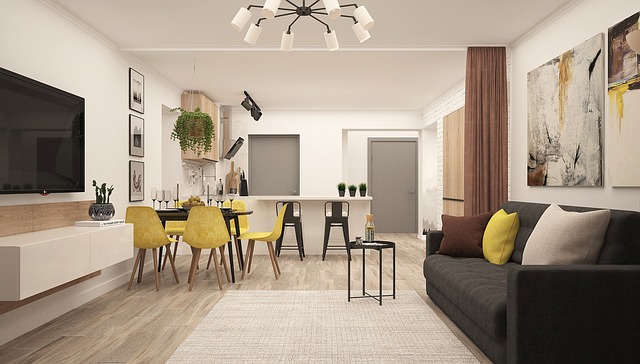
The transition from traditional multifamily living to a phoenix BTR (Build-To-Rent) model presents unique challenges, particularly when it comes to implementation and ongoing maintenance. While the concept of low-maintenance rental lifestyles is appealing—a key selling point for many modern renters—the reality on the ground demands careful consideration and expert strategies. One of the primary hurdles lies in the initial setup: integrating cutting-edge design with practical, long-term sustainability. Unlike traditional properties, BTR units must be meticulously planned to accommodate future technological advancements while ensuring current tenants enjoy a seamless experience.
A crucial challenge arises from the rapid pace of technological evolution. What might be state-of-the-art today may become obsolete within years. For instance, smart home systems require regular updates to maintain compatibility with emerging standards, adding complexity to maintenance routines. Phoenix BTR developments must adopt flexible design principles, allowing for easy upgrades and retrofits without disruptive renovations. This balancing act demands close collaboration between architects, developers, and technology providers, ensuring that the built environment keeps pace with technological innovations.
Maintenance is another significant consideration. While promoting low-maintenance lifestyles, BTR communities require proactive strategies to avoid costly repairs and tenant disruptions. Unlike traditional multifamily properties, where individual units are typically owned by tenants or landlords, a BTR model requires centralized management of shared spaces. This shift necessitates clear operational protocols for common area maintenance, including efficient systems for addressing resident concerns and scheduling repairs. For example, a well-designed digital platform can facilitate communication, enabling tenants to report issues promptly and empowering property managers to dispatch technicians effectively, thereby enhancing the overall rental experience. By adopting such solutions, phoenix low-maintenance rental lifestyles become not just a marketing gimmick but a viable reality.
Case Study: Success Stories of Designer Finishes

In the realm of housing development, the concept of designer finishes has emerged as a compelling alternative to traditional multifamily living. A case in point is the Phoenix BTR model, which offers a low maintenance rental lifestyle that caters to modern preferences. This approach stands in stark contrast to the conventional apartment or condo models prevalent in urban areas, where management and upkeep can be burdensome for both owners and tenants.
Phoenix BTR has successfully carved out its niche by prioritizing design aesthetics and functionality without assuming ownership responsibilities. Their developments are meticulously crafted with high-end finishes that would typically be associated with single-family homes, yet they maintain a rental model that encourages a hassle-free lifestyle. For instance, their units often feature modern kitchens equipped with top-of-the-line appliances, elegant bathrooms adorned with luxury fixtures, and stylish flooring throughout. This level of finish not only enhances the livability but also sets them apart in a competitive market, attracting tenants seeking a more exclusive rental experience.
A closer look at Phoenix BTR’s success stories reveals several key strategies. Firstly, they foster strong relationships with local designers and artisans, ensuring that their developments reflect the latest trends without compromising quality. Secondly, by implementing robust maintenance programs, they maintain their properties to an exceptional standard, minimizing tenant concerns and maximizing satisfaction. Furthermore, offering a range of floor plans caters to diverse lifestyles, from young professionals to families, showcasing the versatility of their model.
The data supports this approach; studies show that properties with premium finishes and well-managed amenities consistently command higher rental rates and lower vacancy rates. In today’s digital era, where tenants have access to vast information, a phoenix low maintenance rental lifestyle that delivers on design and convenience is a powerful differentiator. For developers looking to revolutionize the multifamily landscape, embracing designer finishes without ownership could be the game-changer that fosters a vibrant and thriving community while offering residents an unparalleled living experience.
Future Trends: Evolving Design in Multifamily Sector

The future of multifamily housing is poised for a significant transformation as designers and developers embrace innovative finishes and concepts that move beyond traditional ownership models. In this evolving landscape, the phoenix BTR (Build-To-Rent) concept emerges as a compelling alternative to conventional apartment living, offering low-maintenance rental lifestyles that cater to modern preferences. This trend reflects a growing recognition of the changing needs of residents, particularly younger generations who often seek flexibility and convenience in their housing choices.
As the multifamily sector continues to adapt, we witness a natural evolution towards designs that prioritize sustainability, community, and enhanced amenity packages. Phoenix BTR communities, for instance, seamlessly blend modern aesthetics with practical considerations, providing residents with beautifully designed spaces that require minimal upkeep. This approach aligns with the rising demand for hassle-free living, where tenants can enjoy premium finishes without the responsibilities typically associated with homeownership. By adopting such strategies, developers create attractive, high-quality environments that foster a strong sense of community and encourage social interaction.
Looking ahead, the integration of smart home technology and automated systems will further revolutionize multifamily design. These innovations not only enhance comfort and security but also contribute to energy efficiency. For example, predictive maintenance algorithms can anticipate and address issues before they become critical, reducing operational costs for property managers. This forward-thinking approach ensures that future multifamily communities remain at the forefront of sustainability and technological advancement, offering tenants a competitive edge in terms of both lifestyle and financial savings. Ultimately, the phoenix BTR model represents a natural progression in housing design, catering to modern lifestyles while providing peace of mind through streamlined management and low-maintenance living.