


By 2026, Build to Rent (BTR) communities in North Phoenix aim to redefine urban living through sustainable landscaping. Key strategies include:
– Site selection for optimal growing conditions.
– Drought-tolerant plant choices suited to the semi-arid climate.
– Designing diverse spaces catering to various preferences with communal areas and educational workshops.
– Incorporating native plant species for ecosystem benefits and long-term cost efficiency.
– Cost-effective hardscape features, efficient lighting, and vertical landscaping.
– Water-efficient practices like drip irrigation and rain harvesting.
– Recycling programs and responsible waste management.
These practices will create vibrant, functional outdoor spaces that enhance tenant satisfaction, retention, and community engagement.
As the demand for build-to-rent communities in North Phoenix 2026 soars, proper landscaping and exterior care become essential elements for property success. The outdoor space is no longer merely supplementary; it’s an integral part of tenant satisfaction and community curb appeal. However, maintaining a lush, welcoming exterior can be challenging for developers and property managers. This article delves into the strategies and best practices for cultivating vibrant landscapes and meticulous exterior care in North Phoenix build-to-rent communities, ensuring long-term investment value and elevated resident experiences.
- Planning Your Build to Rent Community Garden
- Choosing Durable Landscaping for North Phoenix Climate
- Creating Attractive Exterior Spaces on Budget
- Sustainability Practices for Eco-Friendly Build to Rent
- Maintaining Exterior Areas in 2026 and Beyond
Planning Your Build to Rent Community Garden
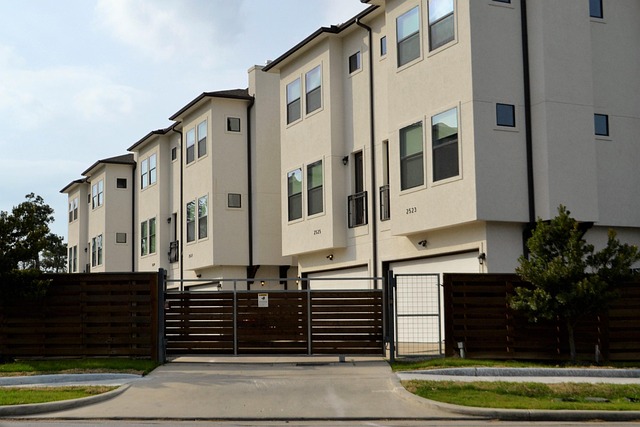
Planning a community garden for a Build to Rent (BTR) property in North Phoenix by 2026 offers a unique opportunity to blend urban living with sustainable practices. Unlike traditional rental markets, BTR communities aim for long-term residency, fostering a sense of belonging and community engagement. This presents a chance to create vibrant outdoor spaces that encourage interaction and promote environmental awareness among residents. When designing the garden, consider both practical needs and aesthetic appeal to cater to diverse preferences and lifestyles.
One key consideration is site selection and layout. Evaluate sunlight exposure, drainage, and proximity to resident entries for optimal growing conditions. Phoenix’s semi-arid climate dictates plant choices adapted to drought tolerance and heat resistance. Incorporate a mix of vegetables, herbs, and native flowers that attract pollinators and beneficial insects, reducing the need for chemical interventions. The garden can also double as a learning space by teaching residents about sustainable gardening practices and local flora.
To maximize engagement, design areas for communal use like seating zones, play areas (where appropriate), and dedicated spaces for various garden activities. Encourage resident involvement in planning and maintenance to foster ownership and community spirit. Additionally, offer educational workshops on gardening, composting, and water conservation to differentiate the BTR garden experience from traditional rental market offerings. By 2026, as North Phoenix’s BTR scene grows, these well-planned green spaces will likely become coveted amenities, enhancing the overall quality of life for residents.
Choosing Durable Landscaping for North Phoenix Climate
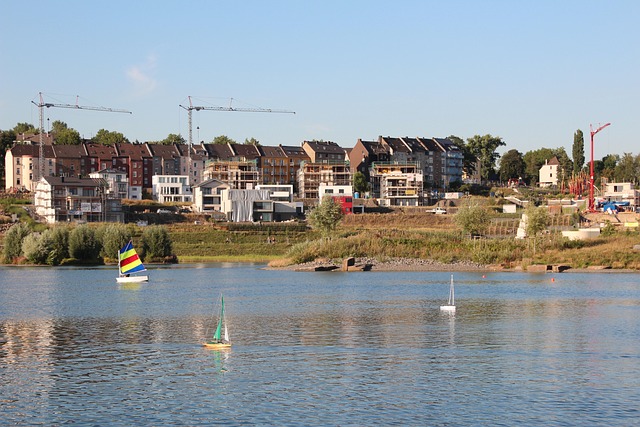
In the build to rent (BTR) communities in North Phoenix 2026, naturally selecting durable landscaping is paramount to withstand the region’s unique climate challenges. Unlike traditional rental markets, where maintenance costs often climb due to frequent weather-related damage, proactive landscape choices can significantly reduce operational expenses for BTR developers and property managers. Understanding Phoenix’s arid, hot summers and mild winters allows for strategic selections that thrive under these conditions. For instance, choosing drought-resistant plants like mesquite trees, creosote bush, and yucca not only reduces water usage but also minimizes the need for costly repairs from frost or snow, a rare occurrence in North Phoenix.
Durable landscaping design also incorporates features that mitigate the intense summer sun. Shading structures such as large canopy trees, awnings, and pergolas can provide relief for tenants while reducing the need for air conditioning. Additionally, reflective pavers and roofing materials help to dissipate heat, lowering indoor temperatures and energy costs. These strategies are increasingly important as climate change patterns shift, making Phoenix’s weather more extreme. When comparing BTR vs traditional rental markets, those with well-designed durable landscapes have shown improved tenant retention rates due to enhanced living experiences and reduced environmental concerns.
Beyond individual plant choices, incorporating native species can offer substantial advantages. Native plants are adapted to the local climate, requiring less maintenance and fostering a healthier ecosystem within the build to rent communities in North Phoenix 2026. They also provide habitat for local wildlife, contributing to biodiversity. Moreover, native landscapes have been shown to reduce urban heat islands effects, creating more comfortable living spaces and potentially lowering cooling costs for these communities over time. When considering the long-term sustainability goals of BTR developments, embracing native landscaping is a strategic move that aligns with both environmental stewardship and cost efficiency.
Creating Attractive Exterior Spaces on Budget

In the landscape of urban real estate, particularly within build to rent communities in North Phoenix, the art of creating attractive exterior spaces on a budget holds significant importance. This is especially true when comparing Phoenix BTR (Build to Rent) vs traditional rental markets, where aesthetics and functionality can set apart well-landscaped properties that cater to modern tenants’ expectations. A vibrant outdoor environment not only enhances the overall living experience but also influences tenant satisfaction and retention rates.
Landscaping in these communities offers a unique opportunity to blend natural elements with smart design choices, creating visually appealing spaces without breaking the bank. One cost-effective strategy involves prioritizing native plants and drought-tolerant species, which require less maintenance and water—a practical consideration given Arizona’s arid climate. For instance, using local vegetation like desert willows, mesquite trees, and various cacti can transform empty lots into vibrant landscapes that reflect the region’s natural beauty. Furthermore, incorporating sustainable hardscape features such as permeable pavers and rock gardens not only reduces water usage but also adds texture and visual interest to exterior spaces.
Beyond plant selection, efficient lighting solutions play a crucial role in enhancing security and ambiance without increasing operational costs. LED lights, for example, are energy-efficient and long-lasting, making them an excellent investment for property managers looking to impress tenants while controlling expenses. Strategically placed lighting can also highlight architectural features and outdoor furniture, creating inviting entryways and gathering areas that foster a sense of community within build to rent communities in North Phoenix by 2026. Additionally, incorporating vertical landscaping through trellises and fences adorned with vines offers both privacy and visual appeal, providing tenants with a peaceful retreat within their urban environment.
Sustainability Practices for Eco-Friendly Build to Rent
In the realm of Build to Rent (BTR) communities in North Phoenix, 2026 is poised to bring a wave of sustainable landscaping practices that set these communities apart as eco-warriors. This evolution is not merely a trend but a necessity, especially when compared to the traditional rental market. The focus on sustainability offers not just environmental benefits but also enhances the overall livability and appeal of these residential spaces. For instance, Phoenix BTR developments are increasingly incorporating native plant species, which require less water and maintenance, thereby reducing the community’s carbon footprint.
The contrast between BTR and traditional rentals becomes evident when examining water usage statistics. According to recent studies, typical Phoenix rental properties consume around 80 gallons of water per person annually for landscaping. In contrast, eco-conscious BTR communities aim to reduce this figure by adopting water-efficient practices like drip irrigation systems and rain harvesting. Additionally, the use of permeable surfaces in parking lots and common areas further mitigates stormwater runoff, a significant environmental concern.
Practical insights for developers include designing landscapes that provide year-round visual interest while being mindful of maintenance costs. Native grasses and shrubs, for instance, require less frequent cutting and chemical applications compared to non-native species. This approach not only saves on operational expenses but also contributes to the local ecosystem’s health. Moreover, implementing comprehensive recycling programs and encouraging responsible waste management practices among residents can significantly reduce the environmental impact of these communities. By embracing these sustainable practices, North Phoenix BTR developments will set a new standard for eco-friendly living, ensuring that 2026 is not just a year but a turning point in residential design.
Maintaining Exterior Areas in 2026 and Beyond

In 2026, the landscape of rental housing in North Phoenix is poised for significant evolution, particularly within build-to-rent (BTR) communities that are gaining popularity. As the traditional rental market faces challenges, BTR developments offer a compelling alternative, reshaping how exterior spaces are designed and maintained. This shift is not merely a trend but a strategic response to modern tenant preferences and changing urban dynamics.
The future of exterior care in these north Phoenix BTR communities will focus on creating vibrant, inviting outdoor areas that foster community and enhance resident experiences. Unlike traditional rental markets, where exterior maintenance may be an afterthought, BTR developers prioritize these spaces as integral components of their offerings. For instance, residents in well-managed BTR properties can expect meticulously landscaped gardens, thoughtfully designed communal seating areas, and maybe even shared outdoor kitchens, all encouraging a strong sense of community. As the market evolves, we’ll see more innovation in outdoor amenity design tailored to appeal to diverse populations.
To stay ahead of the curve, property managers should anticipate these trends by adopting proactive exterior care strategies. This includes regular, sustainable landscaping practices that not only maintain curb appeal but also promote environmental health. By 2026, natural, low-maintenance landscapes could become the norm in North Phoenix BTR communities, aligning with residents’ growing interest in eco-friendly living. Moreover, as competition between Phoenix BTR and traditional rental markets intensifies, exterior spaces will play a pivotal role in attracting and retaining tenants, setting apart well-managed properties that prioritize resident satisfaction and community building.