



By 2026, build to rent (BTR) communities in North Phoenix aim to revolutionize the rental market with modern designs that balance aesthetics and sustainability. Key strategies include:
– Landscaping: Incorporate native desert plants for water conservation and visual appeal.
– Outdoor Spaces: Create communal areas with outdoor kitchens, fire pits, and efficient irrigation systems.
– Entryways: Design eco-friendly, secure gateways using local flora to enhance first impressions.
– Hardscaping: Implement walking paths, seating areas, and vertical gardening for vibrant spaces.
– Sustainable Practices: Reduce water usage, minimize waste, and promote energy efficiency.
These BTR communities will offer desirable, sustainable living experiences, differentiating them in a competitive market while contributing to Phoenix's thriving ecosystem.
The landscape and exterior care of buildings play a pivotal role in the overall appeal and value of build-to-rent communities, particularly in vibrant markets like North Phoenix by 2026. As the demand for rental housing continues to rise, maintaining a competitive edge through exceptional outdoor spaces is essential. However, developers and property managers often face challenges in balancing budget constraints with the desire to create lush, inviting environments. This article delves into effective landscaping strategies tailored to North Phoenix’s unique climate and offers practical solutions to enhance exterior spaces, ensuring these build-to-rent communities stand out for their aesthetic beauty and functionality.
- Planning Your Landscaping Vision for North Phoenix
- Choosing Plants Suitable for Local Climate
- Designing Outdoor Spaces for Build to Rent Communities
- Creating Functional and Aesthetic Entryways
- Hardscaping Techniques to Enhance Community Appeal
- Sustainable Exterior Care Practices for 2026
Planning Your Landscaping Vision for North Phoenix
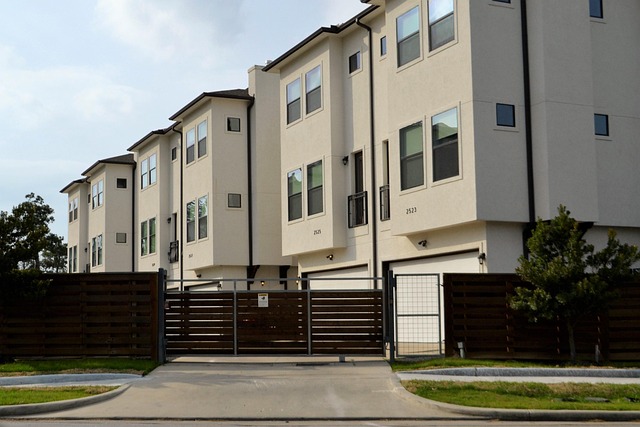
In the vibrant landscape of North Phoenix, planning a landscaping vision for build-to-rent (BTR) communities is an art that combines aesthetics with functionality. By 2026, these BTR communities are poised to define the rental market in the region, offering modern alternatives to traditional rentals. The key lies in creating outdoor spaces that cater to the diverse needs of tenants while harmoniously integrating with the natural environment.
A strategic approach begins with understanding the unique characteristics of North Phoenix’s climate and topography. For instance, water conservation is paramount due to the arid conditions, making native plants and drought-resistant landscaping a sustainable choice for these BTR communities. Imagine lush, low-maintenance gardens featuring succulents and cacti alongside carefully curated hardscaping elements. This not only reduces water usage but also creates visually appealing outdoor retreats that tenants can truly cherish. Additionally, considering solar energy integration in the design can further enhance the sustainability narrative, aligning with environmentally conscious tenants.
Phoenix’s rapid growth has led to a distinct divide between traditional rental markets and the emerging BTR sector. A study by the Urban Land Institute reveals that BTR communities offer more tailored amenities, superior community spaces, and innovative design elements that appeal to modern renters. When planning for these communities in North Phoenix, developers must strike a balance between creating inviting public spaces and ensuring privacy for residents. Well-designed outdoor seating areas, communal gardens, and resort-style pools can foster a strong sense of community, setting the BTR market apart from its traditional counterparts. Moreover, incorporating smart technology into landscaping designs, such as automated irrigation systems and energy-efficient lighting, not only adds convenience but also contributes to the overall sustainability goal.
By 2026, as North Phoenix’s BTR landscape evolves, a thoughtful and strategic approach to planning will be crucial. Developers should aim to create vibrant, functional spaces that cater to various lifestyles while respecting the region’s unique environmental context. This holistic vision will not only result in desirable rental properties but also contribute to the overall enhancement of the Phoenix btr vs traditional rental market, ensuring a thriving and sustainable community for years to come.
Choosing Plants Suitable for Local Climate

Choosing plants appropriate for the local climate is a crucial aspect of successful landscaping for build to rent (BTR) communities in North Phoenix, particularly with visions of growth by 2026. This region’s unique weather patterns necessitate a strategic approach to plant selection that goes beyond aesthetic appeal. Unlike traditional rental markets where quick fixes and temporary solutions may suffice, BTR developments aim for long-term sustainability and reduced maintenance costs. Therefore, understanding the local climate and selecting hardy, climate-adapted plants can significantly impact the overall health and longevity of these communities.
Phoenix’s semi-arid climate presents challenges that differ from other regions, with hot summers and mild winters. Temperatures often soar above 100°F during June to August, while winter temperatures rarely drop below freezing. This environment demands plants that can withstand heat stress, drought conditions, and intense sunlight. For instance, many traditional ornamental shrubs may struggle in such extreme conditions, leading to increased maintenance requirements or even death. However, selecting native desert plants or varieties known for their tolerance to local conditions can dramatically reduce water usage and maintenance needs.
When planning the landscape for North Phoenix’s build to rent communities, consider adopting a mix of native grasses, succulents, and drought-resistant shrubs. Examples include Texas Sage (Leucophyllum fruticosum), which thrives in hot, dry climates and provides year-round texture and interest; and Creosote Bush (Larrea tridentata), known for its adaptability and ability to survive prolonged droughts. Such strategic planting not only creates a visually appealing landscape but also contributes to the overall resilience of these communities, aligning with the goals of the 2026 vision for BTR developments in Phoenix.
Designing Outdoor Spaces for Build to Rent Communities
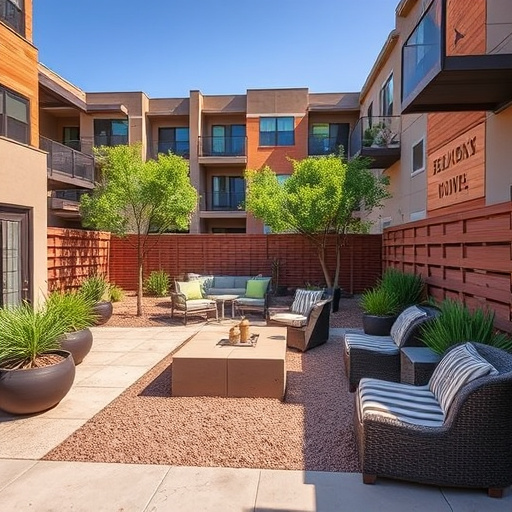
The design of outdoor spaces plays a crucial role in enhancing the living experience for residents in Build to Rent (BTR) communities, particularly in vibrant locations like North Phoenix by 2026. Unlike traditional rental markets, BTR properties aim to foster community and provide amenity-rich environments that cater to modern renters’ desires for unique, well-designed spaces. When planning outdoor areas in North Phoenix’s evolving BTR landscape, developers and property managers must consider the specific needs and preferences of their target demographic.
One key difference between Phoenix BTR and traditional rental markets is the emphasis on creating communal gathering places. Residents in these communities often seek opportunities to connect with neighbors and enjoy shared experiences outdoors. Incorporating features like outdoor kitchens, fire pits, and communal seating areas can foster a sense of community and encourage social interactions. For instance, a study by the National Multifamily Housing Council (NMHC) revealed that properties with well-designed outdoor spaces saw increased resident satisfaction and retention rates. By prioritizing these amenities, BTR developers in North Phoenix can attract and retain tenants who seek more than just a place to live—they want a lifestyle.
Moreover, sustainable landscaping practices should be at the forefront of design considerations. Residents in 2026 are increasingly environmentally conscious, and incorporating native plant species and efficient irrigation systems can appeal to this demographic. Phoenix’s arid climate offers unique opportunities to showcase drought-tolerant landscapes that require less maintenance and water, aligning with sustainability goals. This approach not only reduces operational costs for property managers but also aligns with the growing demand for eco-friendly living spaces in the BTR sector. By balancing aesthetics and functionality, exterior care can become an asset that sets North Phoenix BTR communities apart from traditional rental options.
Creating Functional and Aesthetic Entryways
In the realm of real estate, particularly within build to rent communities in North Phoenix 2026, landscaping and exterior care are essential elements that distinguish exceptional properties from ordinary ones. Creating functional and aesthetic entryways is a strategic move for these communities aiming to thrive in the competitive rental market. The Phoenix BTR (Build to Rent) sector has emerged as a game-changer, offering modern alternatives to traditional rental models. However, standing out amidst the crowd demands a keen eye for design and functionality, especially at the forefront of every community: the entrance.
A well-designed entryway serves multiple purposes, setting the tone for the entire community. It invites residents and visitors alike, creating a sense of belonging and warmth. For North Phoenix build to rent communities, this is crucial as they compete with established neighborhoods and traditional rental properties. Incorporating lush greenery, strategically placed lighting, and inviting architecture can transform a simple entrance into a captivating first impression. For instance, using native Arizona plants tailored to the region’s climate not only reduces maintenance costs but also blends the community seamlessly into its natural surroundings. This strategy aligns with the growing preference for sustainable and eco-friendly spaces, a trend that bodes well for Phoenix BTR vs traditional rental markets.
Moreover, functional entryways enhance security and accessibility. Well-lit paths, secure gates, and thoughtful landscaping design contribute to a safe environment, a priority for many modern renters. In 2026, as these North Phoenix communities mature, the demand for such features will only increase. By prioritizing these elements during construction and maintenance, build to rent developers can create spaces that not only appeal to current residents but also retain their value over time. This long-term focus is a key differentiator in a competitive rental landscape, ensuring that these communities remain desirable choices for Phoenix renters.
Hardscaping Techniques to Enhance Community Appeal
In the realm of enhancing community appeal, particularly within the context of build-to-rent (BTR) communities in North Phoenix targeting 2026, hardscaping techniques emerge as a powerful tool for differentiation and value creation. Unlike traditional rental markets, BTR developments aim to foster a sense of community and long-term residential satisfaction. Hardscaping, which involves the design and construction of landscapes that include both natural and man-made features, plays a pivotal role in achieving this goal.
Consider the transformation of urban spaces through strategic hardscaping elements. In Phoenix, for instance, where the BTR market is gaining traction as an alternative to conventional rentals, well-executed hardscaping can create vibrant, inviting outdoor areas that double as social hubs. For example, thoughtfully designed walking paths lined with native vegetation not only enhance aesthetics but also encourage residents’ interaction and a deeper connection to their surroundings. Moreover, the incorporation of communal seating areas, outdoor kitchens, and fire pits can foster a sense of community, mirroring the hustle and bustle of traditional neighborhoods but with modern twists.
Data suggests that investments in hardscaping can significantly impact property values and tenant satisfaction. A study by the National Association of Real Estate Investment Trusts (NAREIT) revealed that properties with well-landscaped exteriors command higher rental rates and experience lower vacancy rates compared to their counterparts. This trend is even more pronounced in rapidly growing markets like Phoenix, where BTR developments are increasingly becoming a preferred housing option for folks seeking both affordability and community-centric living. When comparing Phoenix BTR vs traditional rental markets, the latter often struggle to offer the same level of curated outdoor spaces, which can be a decisive factor for potential tenants.
To capitalize on these trends, developers and property managers in North Phoenix should prioritize hardscaping as a key component of their design and maintenance strategies. This involves selecting materials that complement the local climate and ecosystem, such as drought-resistant plants and hardscape features like permeable pavers to mitigate stormwater runoff. By 2026, as the BTR sector continues to mature, communities that prioritize both interior amenities and curated exterior landscapes will likely stand out in a competitive market, ensuring long-term success and resident retention.
Sustainable Exterior Care Practices for 2026

The landscape of rental housing is evolving, particularly in dynamic markets like North Phoenix, where build-to-rent (BTR) communities are gaining significant traction by 2026. Unlike traditional rental markets, BTR developments are designed for long-term occupancy and offer unique opportunities for sustainable exterior care practices. This shift necessitates a strategic approach to landscaping that balances aesthetics with environmental responsibility, especially as the Phoenix btr vs traditional rental market continues to grow at a rapid pace.
Sustainable landscaping in North Phoenix’s evolving BTR landscape should prioritize native flora and fauna, which are adapted to the region’s climate and require less maintenance, water, and chemical inputs. For instance, incorporating desert-resistant plants like creosote bush and sage into exterior spaces not only reduces irrigation needs but also provides habitat for local wildlife. Additionally, implementing efficient irrigation systems that use smart technology to monitor and adjust watering based on real-time weather data can significantly cut water consumption without compromising the health of landscapes.
Another key aspect is the responsible management of waste and materials. This involves selecting environmentally friendly products and practices that minimize the ecological footprint. For example, using recycled or compostable materials for outdoor furniture and decorative elements, as well as implementing comprehensive recycling programs within the communities, can significantly reduce waste sent to landfills. Moreover, adopting vertical gardening techniques and green roofs not only enhance aesthetic appeal but also contribute to improved air quality and energy efficiency, creating a healthier environment for both residents and the broader community.
In conclusion, sustainable exterior care practices in 2026 will be pivotal for BTR communities in North Phoenix, fostering an ecological balance while offering enhanced living environments. By embracing native flora, efficient water management, responsible material use, and innovative design strategies, these developments can set a new standard for the industry, differentiating them from traditional rental markets and attracting environmentally conscious residents.