







By 2026, North Phoenix expects a significant transformation in its rental housing market with the growth of modern build-to-rent (BTR) communities. These developments prioritize long-term tenant relationships, comply with strict codes and regulations, and offer support programs for low-income and first-time renters to mitigate fines for violations. Local authorities enforce these rules to foster community integrity, encouraging developers to incorporate shared amenities and strategic land-use planning. The focus on fair leasing practices, community engagement, and sustainable development sets new standards for BTR communities in North Phoenix, aiming to create a vibrant and inclusive residential environment.
The rapid growth of build-to-rent communities in North Phoenix by 2026 presents both opportunities and challenges. As these developments surge, understanding the rules, fines, and restrictions that govern them becomes crucial for residents, investors, and developers alike. Navigating this landscape is essential to ensure a harmonious and prosperous future for these urban centers. This article aims to demystify the regulatory environment surrounding build-to-rent communities, providing an in-depth comparison of relevant rules, potential penalties, and restrictions, thereby empowering stakeholders to make informed decisions and foster sustainable growth in North Phoenix’s evolving real estate market.
- Understanding Rules & Regulations for North Phoenix 2026
- Fines: Consequences & Exceptions in Build to Rent Communities
- Restrictions: Enhancing Community Living in North Phoenix 2026
Understanding Rules & Regulations for North Phoenix 2026
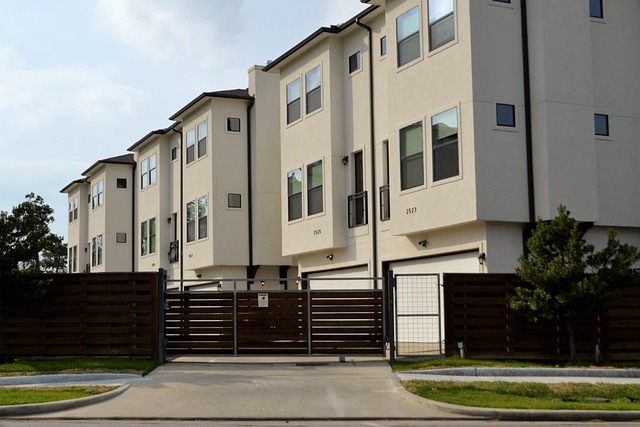
The landscape of rental housing in North Phoenix is set for a significant transformation with the anticipated growth of build-to-rent (BTR) communities by 2026. Understanding the rules and regulations governing this evolving market is crucial for both investors and potential residents. While Phoenix’s traditional rental sector has long been characterized by established norms, the BTR model presents a distinct approach, offering modern, purpose-built apartment homes designed for long-term occupancy.
North Phoenix’s 2026 vision includes a balanced mix of housing options, with BTR communities at the forefront. These developments are strategically planned to cater to the region’s growing population, providing affordable and high-quality living spaces. However, this shift brings about unique considerations. Landlords and property managers in these new communities must adhere to specific rules and restrictions, ensuring fair practices while maintaining the community’s integrity. Phoenix BTR vs traditional rental markets differ notably in terms of tenant expectations, lease agreements, and amenity offerings, requiring a nuanced understanding of local regulations.
For instance, building codes and zoning regulations play a pivotal role in shaping these communities. Developers must comply with specific standards for construction, ensuring safety and quality. Additionally, tenant selection processes are stringent, with background checks and credit evaluations becoming the norm. The focus is on fostering a sense of community among residents, promoting long-term satisfaction. Landlords should anticipate and prepare for potential fines related to non-compliance, as local authorities take these matters seriously. By staying informed about evolving rules, investors can navigate the North Phoenix market effectively, ensuring their build-to-rent communities thrive while providing value to residents.
Fines: Consequences & Exceptions in Build to Rent Communities

In Build to Rent (BTR) communities in North Phoenix by 2026, fines serve as a critical tool for maintaining community standards while addressing tenant violations. These penalties are designed to balance accountability with a supportive living environment. Fines in BTR communities often encompass a wide range of infractions, from late rent payments to property damage or breaching community rules. For instance, a late fee structure might escalate with each consecutive late payment, encouraging timely rent transactions.
When comparing Phoenix BTR vs traditional rental markets, fines can differ significantly. Traditional landlords may opt for evictions as the primary consequence for serious violations, while BTR communities often favor fines and educational interventions due to their focus on long-term tenant relationships. This shift reflects a growing trend in the housing industry towards community building and prevention rather than just enforcement. For example, a North Phoenix BTR developer might offer personalized financial counseling to tenants facing repeated late fees, promoting responsible rental habits.
However, exceptions and considerations are crucial. Mitigating fines for low-income tenants or first-time renters through tailored support programs can foster inclusivity. Some BTR communities in the area have implemented such initiatives, recognizing that financial strain should not deter responsible renting. Additionally, clear communication about fine structures and appeal processes is essential. Tenants should understand the reasons behind penalties and have a fair opportunity to contest them, ensuring transparency and community trust.
Actionable advice for BTR community managers includes regular tenant engagement to anticipate and address potential issues before fines become necessary. Educational workshops on rent management, property care, and community expectations can empower tenants to make informed decisions. By balancing accountability with support, Phoenix’s BTR communities can create a harmonious living environment that fosters community among residents, setting them apart from traditional rental markets in the region.
Restrictions: Enhancing Community Living in North Phoenix 2026
The landscape of housing in North Phoenix is poised for a significant transformation with the anticipated growth of build-to-rent (BTR) communities by 2026. These modern housing solutions are designed to cater to the evolving needs of residents, offering a stark contrast to the traditional rental market. The restrictions and guidelines governing these BTR developments play a pivotal role in shaping the community’s future, particularly in fostering a thriving and harmonious living environment.
In the heart of North Phoenix, where urban vitality meets suburban serenity, the focus on restrictive policies is not merely about compliance but creating a sustainable and desirable neighborhood. Local authorities have recognized the potential of BTR communities to address housing affordability and accessibility while enhancing community engagement. One key restriction involves smart land-use planning, ensuring these developments are strategically located to minimize traffic congestion and maximize green spaces. For instance, developers might be encouraged to incorporate shared amenities like community gardens or fitness centers, promoting a sense of neighborhood and reducing the reliance on individual car usage.
Phoenix’s BTR market distinguishes itself from traditional rentals through its emphasis on customer-centric design. Restrictions here often revolve around establishing robust tenant-landlord relationships. This involves clear communication protocols, prompt maintenance response systems, and fair, transparent leasing agreements. By implementing such restrictions, North Phoenix aims to cultivate a rental experience that attracts and retains residents, fostering a stable community. Moreover, these policies can encourage developers to invest in high-quality construction and modern amenities, setting new standards for urban living.
To ensure the success of build-to-rent communities, local stakeholders must collaborate. This includes engaging residents, property managers, and developers to shape policy decisions. By embracing a balanced approach that considers both development opportunities and community well-being, North Phoenix can create a vibrant, inclusive, and sustainable residential landscape by 2026, setting an example for urban planning in the region.