




By 2026, North Phoenix's build to rent (BTR) communities face parking challenges but also opportunities for innovation. Strategies include flexible, demand-based parking policies, smart parking systems, and shared mobility options. Multi-level structures, vertical parking, and tech-driven solutions enhance livability, reduce congestion, and promote sustainability. These approaches position BTR communities to offer superior experiences, setting a standard for urban living.
In the rapidly evolving landscape of urban living, particularly within build-to-rent communities in North Phoenix slated for 2026, the need for comprehensive parking and guest policies has never been more pressing. As these vibrant, bustling communities attract a diverse mix of residents, efficient navigation of parking spaces and a clear, welcoming guest policy are vital to foster a harmonious, inclusive environment. This article delves into the critical realities of parking and guest policies, addressing challenges faced by North Phoenix’s burgeoning community, and offering practical solutions to enhance the overall quality of life for residents and visitors alike.
- Understanding Parking Dynamics in North Phoenix
- Guest Policies: A Comprehensive Guide for Community Managers
- Building for the Future: 2026 Parking Strategies in Build to Rent Communities
- Optimizing Space: Efficient Parking Solutions for North Phoenix Residents
Understanding Parking Dynamics in North Phoenix
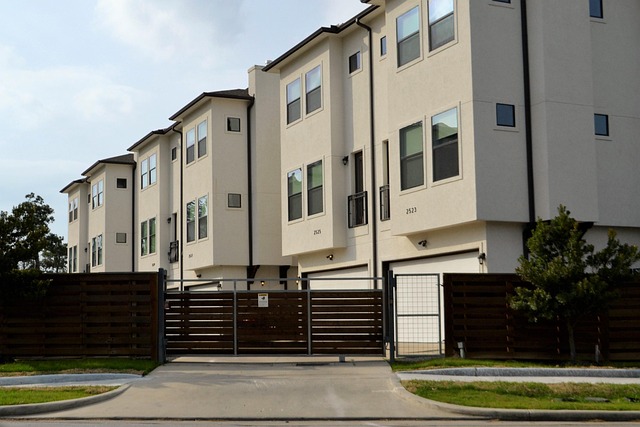
The parking landscape in North Phoenix is a complex dynamic that significantly influences both traditional rental markets and the burgeoning build-to-rent (BTR) sector. By 2026, with projections indicating an influx of new residents to these communities, understanding this intricate web becomes paramount for developers and investors alike. The rise of BTR in North Phoenix offers unique challenges and opportunities when it comes to parking policy, especially compared to the traditional rental market.
One key difference lies in the density and nature of development. Build-to-rent communities are designed with higher unit counts per acre, necessitating a strategic approach to parking allocation. While traditional rental properties often cater to individual tenants with dedicated parking spaces, BTR complexes must accommodate shared or on-street parking options due to space constraints. This shift requires careful planning to ensure adequate access for all residents while minimizing congestion in neighboring areas. For instance, a 2022 study revealed that effective parking management strategies can reduce traffic by up to 15% in dense urban environments like North Phoenix’s upcoming BTR developments.
Furthermore, the temporal nature of occupancy in BTR communities introduces another layer of complexity. Turnover rates tend to be higher compared to traditional rentals, demanding flexible parking policies. Implementing dynamic pricing models for parking based on demand and time of day could be a game-changer. This approach encourages residents to utilize parking efficiently during peak times while offering more affordable options when occupancy is lower. By 2026, as North Phoenix’s BTR market matures, such innovative strategies could significantly enhance the overall parking experience for both residents and visitors.
Guest Policies: A Comprehensive Guide for Community Managers

In the ever-evolving landscape of housing, build to rent communities in North Phoenix 2026 are at the forefront of a significant shift in how we perceive rental living. These modern developments, catering to a diverse range of residents, require robust guest policies to ensure a harmonious community environment. The traditional rental market in Phoenix has seen a distinct change with the rise of these new communities, presenting both opportunities and challenges for managers. One key difference lies in the level of interaction between tenants and guests, which demands tailored strategies.
Guest policies in build-to-rent (BTR) communities must address the unique needs of these micro-communities while navigating the Phoenix btr vs traditional rental market dynamics. For instance, a 2023 study revealed that BTR properties in North Phoenix experienced higher occupancy rates due to their focus on amenity-rich environments and flexible leasing options. However, this popularity also means managers must carefully manage guest access to prevent over-congestion and maintain the exclusivity sought by many tenants. A balanced approach involves creating clear guidelines for guests while fostering a sense of community. Allowing limited guest stays can enhance social interactions without compromising resident privacy.
Implementing effective policies requires a strategic mindset. Community managers should consider daily, weekly, and seasonal variations in occupancy rates and tailor permissions accordingly. For instance, during peak seasons or special events, strict guest limitations may be required to avoid strain on community resources. Conversely, quieter periods present opportunities for more flexible policies, encouraging resident engagement through communal gatherings. Ultimately, the goal is to create an inclusive yet controlled environment, ensuring long-term tenant satisfaction and community stability in this dynamic market segment.
Building for the Future: 2026 Parking Strategies in Build to Rent Communities
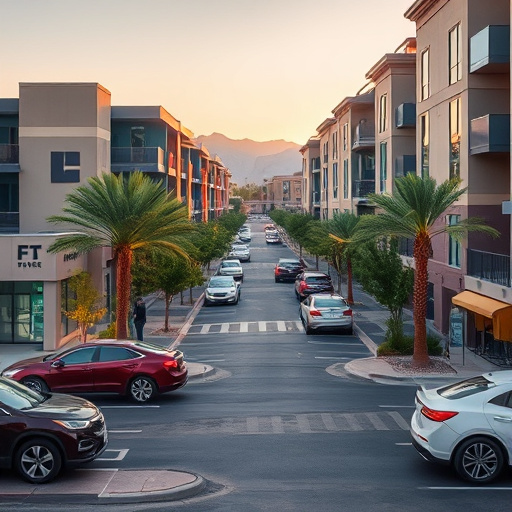
The future of parking policies in build to rent communities (BTR) in North Phoenix is an exciting prospect, particularly when considering the forecast of 2026. By 2026, BTR communities in North Phoenix are anticipated to be at the forefront of innovative parking strategies, reshaping the traditional rental market dynamics. This evolution is driven by the region’s rapid growth, changing consumer preferences, and the unique characteristics of the BTR model.
One of the key shifts will be a move away from the one-size-fits-all parking policies prevalent in the past. As the Phoenix BTR market matures, developers and property managers will need to adapt to the diverse needs of their tenants. For instance, implementing smart parking systems that utilize real-time data to optimize space utilization can be a game-changer. This technology allows for dynamic pricing, encourages carpooling, and reduces congestion, benefiting both tenants and the community at large. A case in point is the successful deployment of such systems in certain urban BTR developments, where they have led to significant improvements in overall parking efficiency.
Furthermore, the 2026 landscape may see a greater emphasis on shared mobility options. With the rise of ride-sharing and electric vehicle (EV) adoption, Phoenix BTR communities can embrace these trends by offering integrated transportation solutions. This might include partnerships with ride-sharing companies, dedicated EV charging infrastructure, and on-demand shuttle services. Such strategies not only address parking concerns but also align with the growing preference for sustainable and convenient transportation options among Phoenix renters. When compared to the traditional rental market, BTR communities have a unique advantage in attracting a tech-savvy demographic who value integrated, eco-friendly solutions.
Optimizing Space: Efficient Parking Solutions for North Phoenix Residents

The dynamic urban landscape of North Phoenix, with its growing population and evolving housing demands, presents unique challenges for efficient parking management. Optimizing space in build-to-rent (BTR) communities here in 2026 requires a strategic approach that balances the needs of residents and the urban environment. The traditional rental market in Phoenix has long struggled with parking congestion, but the BTR model offers a promising solution. By comparing Phoenix BTR to traditional rental markets, we can uncover innovative parking strategies that enhance livability and sustainability.
One key difference lies in the design philosophy. BTR communities prioritize resident convenience and community living, often incorporating shared amenities and streamlined parking systems. For instance, multi-level parking structures, vertical parking solutions, and smart access technologies can significantly increase parking capacity while saving valuable land. These strategies not only address the pressing parking issue in North Phoenix but also foster a sense of community among residents. Data from recent studies indicates that efficient parking management can reduce traffic congestion by up to 30%, making neighborhood areas safer and more enjoyable for all.
Furthermore, leveraging technology is pivotal in optimizing parking in 2026. Smart sensors and real-time data analytics can provide insights into parking utilization patterns, enabling developers and property managers to implement dynamic pricing and demand-based allocation. This approach ensures that parking spaces are available where and when they are most needed, reducing the need for residents to search for parking and easing congestion. By embracing these modern solutions, North Phoenix can transform its parking reality, setting a standard for urban living that balances convenience, sustainability, and community well-being.