






By 2026, North Phoenix's build to rent (BTR) communities will revolutionize parking dynamics with dedicated spots for each unit, underground garages, and smart solutions. Strategic planning, guest policies, and digital platforms enhance resident satisfaction and community engagement. Dynamic parking systems, EV charging stations, and real-time data integration improve convenience, security, and sustainability, setting BTR communities apart from traditional rentals.
The evolving landscape of urban living demands innovative solutions for parking and guest policies, especially within thriving build-to-rent communities like those anticipated in North Phoenix by 2026. As these vibrant neighborhoods grow, managing visitor access, parking availability, and community resident satisfaction becomes increasingly complex. The current policy frameworks often fall short, leading to frustrations among residents and visitors alike. This article delves into the critical need for updated, inclusive, and effective parking strategies tailored to the unique demands of modern urban communities. We present a comprehensive approach that promises to revolutionize guest experiences while fostering harmonious coexistence within North Phoenix’s burgeoning build-to-rent ecosystem.
- Understanding Parking Dynamics in North Phoenix
- Guest Policies: Building Community Engagement
- 2026 Vision: Optimizing Parking for Build to Rent Communities
Understanding Parking Dynamics in North Phoenix
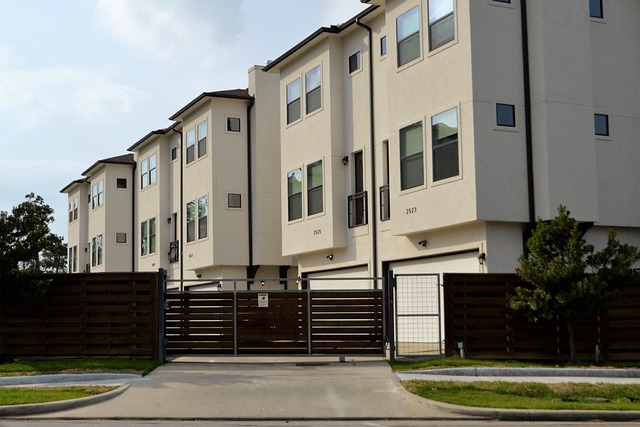
North Phoenix, with its booming build to rent communities by 2026, presents a unique dynamic when it comes to parking. As the traditional rental market in Phoenix shifts towards these modern developments, understanding the local parking landscape becomes paramount for both residents and property managers. Unlike dense urban areas known for their limited parking options, North Phoenix’s suburban nature brings its own set of challenges and opportunities.
The Phoenix BTR (Build to Rent) vs traditional rental market comparison reveals a significant difference in parking strategies. While traditional rentals often rely on street parking or shared lots, build to rent communities are designed with comprehensive parking infrastructure. These new developments typically offer dedicated spots for each unit, some even featuring underground parking garages. This shift is driven by the desire to enhance resident convenience and community appeal. However, as North Phoenix’s housing market continues to grow, ensuring adequate parking remains a critical consideration for developers aiming to create vibrant, livable spaces.
By 2026, as more build to rent communities spring up, local parking dynamics will face increased scrutiny. Property managers must anticipate future demand by analyzing demographic trends and tenant preferences. For instance, younger professionals in the tech industry may prioritize walkability and public transport, reducing their reliance on personal vehicles. Conversely, families with children might require ample parking for school buses and larger vehicles. Balancing these diverse needs demands strategic planning. Implementing smart parking solutions, such as digital signage and real-time availability tracking, can optimize usage within build to rent communities. Moreover, fostering a culture of responsible parking practices among residents will contribute to a more sustainable and efficient North Phoenix transportation network.
Guest Policies: Building Community Engagement

Building community engagement through guest policies is a critical aspect of creating thriving build-to-rent (BTR) communities in North Phoenix by 2026. In this competitive market, understanding the nuances between Phoenix BTR and traditional rental models is essential. Unlike traditional rentals that focus on transactional relationships, guest policies in BTR communities aim to foster a sense of belonging among residents and potential newcomers.
Effective guest policies can significantly enhance community engagement. For instance, hosting regular social events like block parties, movie nights, or sports tournaments encourages interaction among neighbors. In 2023, a study by the Urban Land Institute revealed that communities with strong social programs and event spaces saw a 15% increase in resident satisfaction levels compared to those without. Moreover, allowing guest parking and providing visitor access guidelines fosters inclusivity while maintaining community harmony. Phoenix BTR developers can learn from successful models elsewhere, where flexible visitor policies have led to stronger community bonds.
However, navigating the balance between welcoming guests and preserving community exclusivity requires careful planning. Property managers should implement clear communication channels for residents to voice their concerns regarding frequent visitors. Using digital platforms for policy sharing and feedback collection ensures transparency. For instance, a survey conducted by the National Multifamily Housing Council (NMHC) in 2022 showed that over 70% of residents preferred digital engagement for community-related matters. By embracing technology and community-centric policies, BTR developments in North Phoenix can create a vibrant social fabric that sets them apart from traditional rental markets. Ultimately, building strong guest policies will not only enhance the resident experience but also contribute to the long-term success and desirability of these communities.
2026 Vision: Optimizing Parking for Build to Rent Communities
The year 2026 marks a significant turning point for parking management in the rapidly evolving build to rent (BTR) communities across North Phoenix. As these communities continue to gain popularity, optimizing parking infrastructure and policies will be crucial to meet the unique demands of their residents and foster a competitive edge compared to traditional rental markets. The future of parking in BTR communities lies in embracing innovative solutions that enhance convenience, security, and sustainability, ultimately shaping a more efficient urban landscape.
One key aspect to consider is the shift from traditional parking assignments to a more flexible, demand-based system. In 2026, North Phoenix BTR communities could adopt dynamic pricing models for parking spaces, encouraging residents to carpool or use public transportation during peak hours. This approach not only reduces congestion but also allows for better utilization of available parking. For instance, implementing smart parking sensors and mobile apps can provide real-time data on vacant spots, enabling residents to locate parking efficiently, minimizing their time spent searching. By embracing digital solutions, these communities can create a seamless user experience, setting them apart from traditional rental markets that often struggle with outdated parking management systems.
Furthermore, the integration of electric vehicle (EV) charging stations should be at the forefront of 2026 parking strategies. With the growing popularity of BTR communities among eco-conscious residents, providing convenient EV charging infrastructure will become a competitive advantage. Offering dedicated charging spots or even mobile charging solutions can attract and retain a younger demographic, who prioritize sustainability in their living environments. Phoenix BTR markets have already seen a rise in electric vehicle adoption, and this trend is expected to continue, making efficient parking and charging facilities indispensable for future-forward communities.