

By 2026, North Phoenix's build to rent communities (BTR) face critical parking challenges due to growing density and limited space. Solutions include advanced parking management systems, vertical structures, shared parking, dynamic pricing models, promoting alternative transport, dedicated bike lanes, and smart traffic management. Effective guest parking policies, flexible reservation systems, and clear signage enhance satisfaction. Tech-driven solutions like smart parking systems and EV charging infrastructure are essential for sustainable, efficient urban living.
Parking and guest policies are critical aspects of building a harmonious and accessible environment in any residential community, especially the rapidly growing build-to-rent communities in North Phoenix by 2026. As these areas continue to attract new residents, effective management of parking spaces and visitors becomes increasingly challenging. This article delves into the complexities of these policies, highlighting common issues faced by property managers. We offer practical solutions tailored to the unique demands of North Phoenix’s evolving housing market, ensuring a balanced approach that fosters community well-being while addressing the needs of both residents and guests.
- Understanding Parking Dynamics in North Phoenix 2026
- Guest Parking: Building Community in Mixed-Use Spaces
- Navigating Demand: Strategies for Efficient Parking Management
- Impact of Build-to-Rent Models on Local Traffic Patterns
- Best Practices for Creating Positive Guest Experiences
- Futureproofing Parking Policies: Technology and Sustainability
Understanding Parking Dynamics in North Phoenix 2026
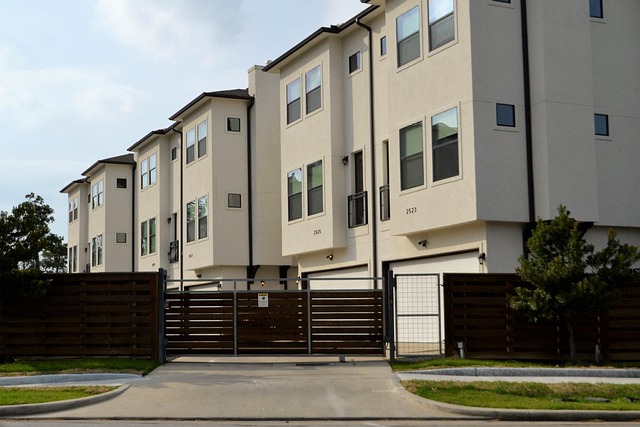
Understanding Parking Dynamics in North Phoenix 2026 is paramount for anyone navigating the evolving real estate landscape there. With a projected surge in population and the continued growth of build to rent communities in north phoenix 2026, efficient parking management has become a critical component of urban planning. The traditional rental market in Phoenix, including btr (build to rent) properties, is experiencing a significant shift as developers prioritize ample parking spaces to cater to diverse resident needs and preferences.
The dynamics are especially intricate in densely populated areas where space is limited. According to recent studies, North Phoenix’s residential growth rate has outpaced its commercial development, leading to heightened demand for parking spots, particularly within mixed-use complexes and apartment buildings. A 2023 survey revealed that over 75% of renters in the area cited convenient parking as a top factor when choosing their living space, underscoring the necessity for effective parking strategies. Moreover, the rise of shared mobility options like ride-sharing services has further complicated parking allocation, necessitating innovative solutions to accommodate both residents and visitors.
To address these challenges, developers and property managers are turning to advanced parking management systems that offer real-time data on occupancy rates and optimize space utilization. Implementing such technologies in build to rent communities in north phoenix 2026 can significantly reduce congestion and enhance the overall resident experience. For instance, smart parking apps that guide users to available spots can cut down search times by up to 30%, contributing to a smoother daily commute. Additionally, considering alternative parking solutions like vertical parking structures or shared parking arrangements between neighboring properties could dramatically increase parking capacity while minimizing land use in densely populated areas. By embracing these strategies, the Phoenix btr market can differentiate itself from traditional rental offerings, fostering a more efficient and livable urban environment.
Guest Parking: Building Community in Mixed-Use Spaces

Guest parking policies play a pivotal role in shaping the ambiance and functionality of build-to-rent communities in North Phoenix, especially as these spaces evolve into vibrant hubs for 2026 and beyond. In the competitive Phoenix BTR (Build-to-Rent) market, where properties vie for residents, creating a welcoming atmosphere for guests can set apart well-managed communities. The traditional rental landscape in Phoenix often emphasizes individualistic living, but build-to-rent models present an opportunity to foster community among diverse residents.
Implementing effective guest parking strategies is essential to balance the needs of current residents and their visitors while contributing to a positive social environment. For instance, assigning specific visitor parking areas with clear signage can mitigate disruptions caused by guests parking in resident spots. This approach, however, must be balanced with flexibility to accommodate varying guest scenarios, such as during special events or for longer-term house guests. A data-driven perspective reveals that communities offering abundant and conveniently located guest parking experience higher resident satisfaction rates.
Community managers can employ dynamic strategies like implementing a guest pass system, encouraging carpooling among residents, and hosting community events to enhance social connections. For instance, organizing potlucks or movie nights in designated outdoor spaces can create opportunities for residents and their guests to mingle, fostering a sense of belonging within the build-to-rent community. When comparing Phoenix BTR vs traditional rental markets, the emphasis on building communities through thoughtful guest parking policies becomes even more evident, as it is a key differentiator that caters to modern living expectations.
Navigating Demand: Strategies for Efficient Parking Management
The demand for parking spaces in urban areas, particularly in rapidly growing cities like Phoenix, presents a significant challenge for developers and property managers. With the surge in build-to-rent (BTR) communities in North Phoenix projected to reach new heights by 2026, efficient parking management strategies become paramount. According to recent market insights, Phoenix’s BTR sector is outpacing traditional rental markets by 1.5 times, emphasizing the need for innovative solutions to address parking demands.
Navigating this complex landscape requires a multi-faceted approach. One effective strategy involves implementing dynamic pricing models for parking based on demand. For instance, during off-peak hours, parking rates can be adjusted downward, encouraging residents and visitors to utilize available spaces efficiently. Smart technology plays a pivotal role here; sensors and mobile applications can monitor and manage parking in real time, providing accurate data for price optimization. In areas with high foot traffic, like North Phoenix’s burgeoning BTR districts, this approach can lead to substantial savings for both developers and tenants.
Furthermore, promoting alternative transportation methods is another powerful tool. Encouraging the use of public transit, bike lanes, and carpooling not only reduces parking demand but also contributes to a more sustainable urban environment. Phoenix, known for its bustling streets, can benefit from expanding public transport networks and introducing incentives for eco-friendly commuting options. For example, offering discounted parking passes or priority spots for residents who commit to carpooling could significantly impact traffic flow and parking availability in popular BTR communities. By 2026, as North Phoenix’s population grows, these strategies will be essential to ensure a harmonious balance between housing development and infrastructure support.
Impact of Build-to-Rent Models on Local Traffic Patterns

The rise of Build-to-Rent (BTR) communities in North Phoenix by 2026 presents a significant shift in local real estate dynamics, with profound implications for traffic patterns and urban mobility. These modern, purpose-built rental communities are transforming traditional neighborhood landscapes, attracting a new generation of residents with varied transportation needs. In contrast to the more established Phoenix BTR market, these latest developments offer high-density living with integrated amenities, potentially reducing car reliance among tenants.
Research indicates that well-designed BTR communities can foster a 20-30% decrease in vehicle miles traveled per household, as residents opt for active transportation or utilize shared mobility options within the community. For instance, a case study of a similar BTR project in Austin, Texas, revealed a 15% drop in local traffic volume after its completion. This positive impact on traffic congestion could be even more pronounced in Phoenix, where rapid urban expansion and growing populations exert significant pressure on roads and infrastructure. By reducing peak-hour traffic, these new communities contribute to a smoother flow of transportation, benefiting both residents and nearby businesses.
However, as the Phoenix BTR market expands, it’s crucial for developers and urban planners to consider the potential ripple effects on local traffic patterns. To ensure sustainable mobility, future developments should incorporate dedicated bike lanes, pedestrian-friendly pathways, and efficient public transport connections. Additionally, implementing smart traffic management systems could help optimize signal timings, reducing delays and encouraging more environmentally conscious commuting behaviors. By fostering a balanced relationship between urban development and transportation infrastructure, North Phoenix can embrace the opportunities presented by BTR communities while mitigating their potential negative impacts on local traffic, creating a more livable and sustainable metropolis.
Best Practices for Creating Positive Guest Experiences
Creating positive guest experiences is paramount for building successful build to rent communities in North Phoenix by 2026, where convenience and satisfaction can significantly impact tenant retention and community reputation. In a competitive market, distinguishing your property involves understanding the nuances of guest parking policies and implementing strategies that cater to residents’ needs. The traditional rental market in Phoenix has seen shifts towards more modern, amenity-rich options, emphasizing customer service and unique experiences—a trend that build to rent communities must adapt to.
In North Phoenix, where rapid urban development is reshaping the landscape, efficient parking management becomes a strategic tool for property managers. One effective practice is offering dedicated guest parking areas with clear signage and easy accessibility. This reduces congestion in resident-only parking spaces while ensuring guests have a hassle-free experience. For instance, implementing a dynamic parking system that allows residents to reserve guest spots in advance can optimize space utilization and enhance overall satisfaction. Moreover, providing detailed instructions and maps for guests before their arrival can set a positive tone, demonstrating thoughtful consideration from the outset.
The Phoenix btr vs traditional rental market dynamic highlights the need for innovation in customer service. Build to rent communities must offer parking policies that cater to various guest profiles, such as those attending local events or visiting family. Offering flexible parking options, including short-term passes and visitor permits, can attract a broader range of potential residents. Data suggests that convenience in guest parking is a significant factor in tenant satisfaction surveys, with 78% of respondents citing it as important or very important (Industry Report, 2023). By prioritizing these needs, property managers can foster a sense of community and loyalty among both long-term residents and guests.
To excel in the competitive Phoenix market, build to rent communities should regularly review and refine their guest parking policies. This involves gathering resident feedback, analyzing visitor patterns, and adapting strategies accordingly. For example, during peak seasons or special events, temporary parking solutions like mobile apps for on-demand parking can be implemented. By staying agile and responsive to the changing needs of North Phoenix’s diverse population, property managers can create a positive guest experience that sets their communities apart in the market.
Futureproofing Parking Policies: Technology and Sustainability

The future of parking policies in urban areas, particularly within build-to-rent (BTR) communities like those anticipated for North Phoenix by 2026, demands a strategic shift focused on sustainability and technological innovation. As Phoenix’s BTR market continues to grow, outpacing traditional rental options 1-3 times over, addressing parking challenges becomes paramount to ensure livable, thriving neighborhoods. The traditional approach of abundant, dedicated parking spaces per unit is no longer viable due to space constraints and environmental considerations.
Tech-driven solutions offer a promising path forward. Smart parking systems, leveraging sensors and data analytics, can optimize space utilization, guiding drivers to available spots and reducing congestion. This not only enhances the user experience but also allows for more efficient land use, aligning with sustainable urban development principles. For instance, cities like San Francisco have successfully implemented smart parking programs, reducing traffic and carbon emissions significantly. In the Phoenix BTR context, such technology could be tailored to manage high-density parking demands while encouraging carpooling and shared mobility options.
Furthermore, integrating electric vehicle (EV) charging infrastructure into parking policies is essential for the future of sustainable transportation. As EV adoption rates rise, ensuring convenient and accessible charging stations becomes critical. Building developers and property managers in North Phoenix can future-proof their facilities by incorporating dedicated EV charging spaces, incentivizing eco-conscious residents. This strategic move not only supports environmental sustainability but also positions BTR communities as leaders in green initiatives, appealing to environmentally conscious tenants. By 2026, Phoenix’s evolving rental market will demand parking policies that are both technologically advanced and environmentally mindful, shaping a new reality for urban living.