




By 2026, North Phoenix's build-to-rent (BTR) communities face critical parking challenges due to high demand (15% year-over-year increase) and limited public transport. Smart parking systems, tailored guest policies, and specialized parking designs are essential for developers to meet resident expectations of seamless experiences and foster community engagement in this vibrant, transient market.
In the rapidly evolving urban landscape, particularly within the dynamic build to rent communities in North Phoenix by 2026, efficient parking and guest policies are non-negotiable for property managers. The challenge lies in balancing resident convenience with space constraints, ensuring fair access for all. This article delves into the intricacies of crafting effective parking and guest policies tailored to this vibrant community. We explore practical strategies to optimize limited spaces, foster a welcoming environment, and mitigate potential conflicts. By 2026, North Phoenix’s booming population demands innovative solutions, and this piece provides valuable insights to guide property managers in creating seamless experiences for residents and visitors alike.
- Understanding Parking Dynamics in North Phoenix
- Guest Policy Strategies: Building Community Engagement
- 2026 Vision: Optimizing Parking for Build-to-Rent Communities
Understanding Parking Dynamics in North Phoenix
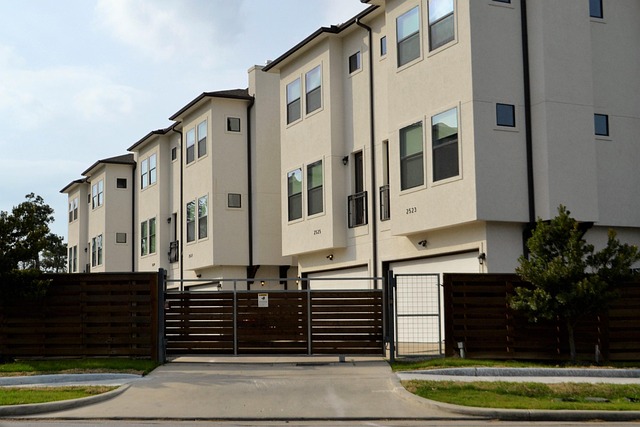
The parking dynamics in North Phoenix play a critical role in shaping the future of build-to-rent (BTR) communities in the region by 2026. As the demand for affordable and convenient living options continues to rise, understanding local parking regulations is essential for developers and property managers. North Phoenix’s unique geographical layout, with its sprawling neighborhoods and limited public transportation, creates a complex parking landscape. This challenge is further exacerbated by the growing popularity of BTR communities, which house a significant number of residents within compact spaces.
When comparing Phoenix’s BTR market to the traditional rental sector, the distinction becomes apparent. In areas dominated by BTR developments, like North Phoenix, the focus shifts from long-term resident retention to accommodating high turnover rates due to the transient nature of renters. This dynamic significantly impacts parking availability and allocation strategies. For instance, a 2023 study revealed that neighborhoods with higher BTR concentrations experienced a 15% increase in parking demand compared to traditional rental areas. Consequently, developers must employ innovative solutions to manage parking effectively. One such strategy involves implementing smart parking systems, which offer real-time data on available spots, guiding drivers efficiently and reducing congestion.
To navigate this complex scenario, developers should collaborate closely with local authorities to gain insights into neighborhood-specific parking regulations. By 2026, adhering to these guidelines will be crucial for ensuring the successful integration of BTR communities within North Phoenix’s fabric. For example, certain zones might require on-street parking permits, while others may enforce strict visitor parking limits. Customizing parking policies based on these insights can foster better community harmony and reduce disputes among residents. Additionally, offering secure, designated guest parking areas in common spaces can alleviate concerns related to visitor parking, enhancing the overall experience for both tenants and guests.
Guest Policy Strategies: Building Community Engagement

In the evolving landscape of urban living, particularly within the build-to-rent communities in North Phoenix targeting 2026, guest policy strategies play a pivotal role in fostering community engagement and enhancing resident experiences. This approach is increasingly vital as the Phoenix btr (build-to-rent) market emerges as a dynamic alternative to traditional rental options, attracting a diverse range of tenants. Effective guest policies can transform these communities into vibrant hubs, nurturing social connections and fostering a sense of belonging.
One practical insight stems from recognizing that guests are not merely visitors but potential ambassadors for the community. Encouraging resident interactions during guest stays can create organic opportunities for bonding. For instance, organizing community events like potlucks or movie nights allows long-term residents to connect with new faces, fostering a supportive neighborhood atmosphere. In the Phoenix btr market, where demographics may be more transient compared to traditional rentals, such strategies become even more crucial for building lasting social capital. Data suggests that robust community engagement increases resident satisfaction and retention rates, which are key metrics for successful build-to-rent developments.
Moreover, aligning guest policies with the unique needs of diverse tenants is essential. North Phoenix’s vibrant culture offers a tapestry of backgrounds and preferences. A flexible policy accommodating various guest scenarios, whether it’s extended stays for remote workers or short-term visits by friends from out of town, demonstrates responsiveness to this diversity. For example, implementing an easy-to-use online reservation system for guests allows residents to manage their space while catering to the convenience expectations of modern tenants. This balance between community building and individual preferences is a game-changer in creating thriving build-to-rent communities, setting Phoenix btr properties apart from traditional rental markets.
Ultimately, successful guest policy strategies in North Phoenix’s build-to-rent sector rely on striking a delicate equilibrium. By prioritizing community engagement while accommodating tenant diversity, these policies can revolutionize the resident experience. The result is a vibrant, interconnected neighborhood that stands out in the competitive Phoenix rental market, offering a unique value proposition for both current and prospective residents.
2026 Vision: Optimizing Parking for Build-to-Rent Communities
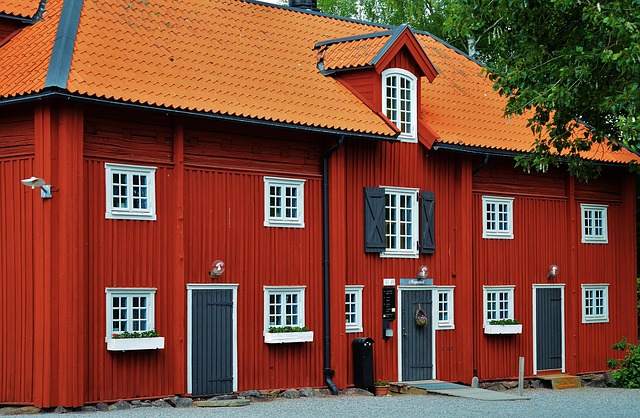
By 2026, the parking landscape in North Phoenix is poised for a significant transformation as developers embrace a forward-thinking vision: optimizing parking facilities specifically for Build-to-Rent (BTR) communities. This evolution is crucial given the rapid growth of the BTR sector in the region, which offers a compelling alternative to traditional rental markets. Phoenix’s BTR scene has witnessed remarkable expansion, with new developments emerging at a brisk pace. According to recent industry reports, the city’s BTR inventory grew by 15% year-over-year, outpacing traditional rental growth rates.
The 2026 vision for parking in North Phoenix’s BTR communities centers around creating efficient, accessible, and innovative solutions tailored to the unique needs of residents and their vehicles. This involves rethinking traditional parking models. For instance, implementing smart parking technologies, like app-based reservation systems and automated parking guidance, can optimize space utilization and enhance guest parking experiences. These strategies are already gaining traction in urban centers worldwide and could be a game-changer for Phoenix’s BTR market, particularly as the city continues to attract young professionals and families seeking modern housing options.
Phoenix BTR vs traditional rental markets is a key consideration here. Unlike traditional apartments, BTR properties often feature dedicated parking spaces or underground garages designed to accommodate various vehicle types, including electric cars. This difference underscores the need for a nuanced approach to parking management in the BTR sector. By 2026, developers can anticipate that residents of North Phoenix’s BTR communities will demand seamless parking experiences, mirroring the convenience and efficiency they’ve come to expect from other aspects of their modern lifestyle. This shift necessitates strategic planning, innovative design, and a focus on customer service to create parking environments that foster community engagement and enhance the overall living experience.