




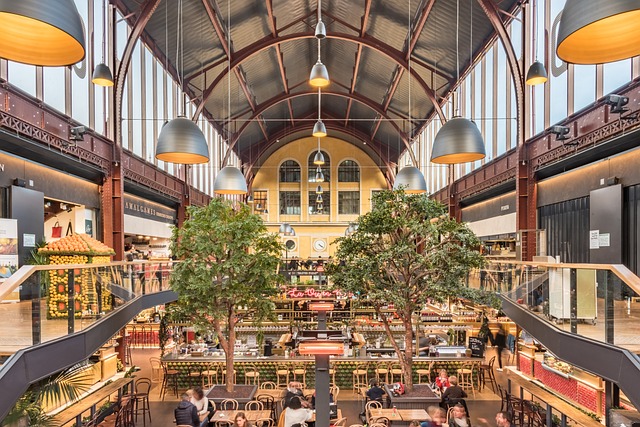
By 2026, Phoenix's build to rent market rebalancing aims to address housing shortages with modern, mixed-use developments. Driven by demographic shifts, demand for diverse amenities, and sustainability concerns, this transformation incorporates smart homes, pet-friendly policies, and community spaces. Strategic considerations include location near transportation and employers, with a focus on eco-friendly materials and renewable energy. This evolution promises enhanced livability and aligns with global sustainability goals.
The real estate industry is undergoing a transformative phase, with the build-to-rent market emerging as a significant player, especially in urban centers. As we approach 2026, tracking developments in this sector is crucial for investors, developers, and policymakers. The current landscape is characterized by a need for rebalancing, particularly in addressing the growing demand for rental housing while fostering sustainable urban growth. This article provides an authoritative guide to the key trends and strategies that will shape the build-to-rent market rebalancing Phoenix 2026, offering valuable insights into this dynamic sector.
- Phoenix Real Estate: Market Outlook 2026
- Rebalancing Build-to-Rent Strategies Unveiled
- Demographic Shifts: Resident Preferences in 2026
- Green Initiatives: Sustainable Developments by 2026
- Tech Integration: Smart Homes, Enhanced Living
Phoenix Real Estate: Market Outlook 2026

The Phoenix real estate market has been undergoing significant transformations, and 2026 projections indicate a pivotal moment for the build to rent market rebalancing Phoenix. This shift is expected to be driven by a careful yet strategic approach to address the city’s housing needs, particularly in the rental sector. The Phoenix rental supply vs demand analysis reveals a nuanced landscape where an increased focus on developing balanced communities will be key.
Historically, Phoenix has experienced rapid population growth, outpacing housing development, which led to a tight rental market. However, recent trends signal a change. Developers and investors are increasingly recognizing the potential of building for rent markets as a sustainable solution. This rebalancing act involves creating well-designed, affordable rental options while ensuring they meet the growing demand from various demographics, including young professionals, families, and retirees. The city’s diverse economy and robust job market continue to attract newcomers, maintaining strong rental demand.
By 2026, experts anticipate a more stable Phoenix real estate market with a notable expansion in the build-to-rent sector. This growth will be characterized by modern, mixed-use developments that offer amenities tailored to renters’ lifestyles. A successful rebalancing strategy requires careful consideration of location, price points, and community features. For instance, areas near public transportation hubs and popular employers are expected to see higher rental demand, prompting developers to invest in these hotspots. To stay competitive, landlords will need to adapt their offerings, incorporating smart home technologies, pet-friendly policies, and community spaces that foster a sense of belonging. This evolution in the Phoenix real estate market promises not only growth but also enhanced livability for its residents.
Rebalancing Build-to-Rent Strategies Unveiled
The build to rent (BTR) market in Phoenix has been undergoing a significant transformation as developers and investors rebalance their strategies for 2026. This shift is driven by a careful analysis of rental supply versus demand dynamics, reflecting a nuanced understanding of the local market’s needs and trends. Historically, Phoenix has seen a surge in BTR developments, fueled by a growing population and strong job markets. However, recent data suggests that the region is approaching equilibrium, with new construction meeting the increasing demand for quality rental housing.
One key development trend is a focus on community-oriented designs that cater to modern tenants’ desires for amenity-rich environments. This rebalancing act involves integrating mixed-use projects with retail and recreational spaces, creating vibrant neighborhoods within walking distance of essential services. For instance, several high-profile developments in the downtown core offer rooftop lounges, shared workspaces, and on-site retail, reflecting a strategic shift towards providing a lifestyle experience that extends beyond traditional housing.
To navigate this evolving landscape effectively, investors and developers must conduct thorough phoenix rental supply vs demand analyses, factoring in demographic shifts, employment growth, and urban planning initiatives. This data-driven approach allows for informed decisions on project locations, unit mix, and value-add strategies. By understanding the market’s nuanced movements, participants can capitalize on emerging opportunities and contribute to a more balanced and sustainable build to rent market in Phoenix by 2026.
Demographic Shifts: Resident Preferences in 2026
The year 2026 is rapidly approaching, and demographic shifts are poised to reshape the residential landscape, particularly in dynamic cities like Phoenix. Understanding resident preferences and adapting to changing market demands will be crucial for developers and investors looking to thrive in this evolving environment. One of the key trends to watch is the anticipated rebalancing of the build-to-rent (BTR) market in Phoenix. The city’s rental supply is expected to grow, but a delicate balance must be struck with demand to ensure a healthy market.
Phoenix has long been recognized for its vibrant economy and appealing lifestyle, attracting a diverse range of residents. However, recent years have witnessed an acceleration in population growth, putting upward pressure on rental housing. As we move towards 2026, it’s imperative to analyze the Phoenix rental supply versus demand dynamics. Data suggests that while new construction has contributed significantly to the rental inventory, demographic changes and shifting preferences could impact occupancy rates. For instance, the growing young professional population may favor urban living with easy access to amenities, potentially reducing demand for traditional suburban rental properties.
To navigate this evolving market, developers should focus on creating diverse offerings tailored to various demographics. This might include mixed-use developments that blend residential and commercial spaces, catering to young professionals seeking convenient lifestyles. Additionally, providing innovative amenities and community experiences can set apart BTR properties in a competitive market. For example, incorporating shared workspaces, outdoor entertainment areas, or dedicated community gardens could appeal to different resident segments. By understanding Phoenix’s demographic shifts and adapting their strategies, developers can ensure that the build-to-rent market rebalances successfully, meeting the needs of residents in 2026 and beyond.
Green Initiatives: Sustainable Developments by 2026

The year 2026 looms large on the horizon, presenting a critical juncture for the global shift towards sustainability. Within this transformative landscape, the build to rent market rebalancing Phoenix 2026 is poised to become a beacon of eco-friendly innovation, reshaping urban living. The focus on green initiatives will not only redefine the physical environment but also influence consumer behavior and rental dynamics in the vibrant city of Phoenix.
One of the most significant developments to track is the projected balance between Phoenix’s rental supply and demand. According to industry analysts, the market is expected to experience a gradual shift towards sustainability, with developers introducing more environmentally conscious projects. This rebalancing act will be driven by the growing demand for eco-friendly housing options among tenants. For instance, the implementation of smart building technologies, such as energy-efficient systems and renewable energy sources, will become commonplace, reducing carbon footprints significantly. As Phoenix continues to attract a diverse range of residents, including millennials and Gen Z, the desire for sustainable living spaces is expected to surge, further fueling this market transformation.
Phoenix rental supply vs. demand analysis reveals a promising narrative. The city’s commitment to combating climate change is evident in its burgeoning green spaces and initiatives promoting public transportation. These efforts will indirectly impact the build to rent market, encouraging developers to incorporate sustainable practices into their designs. By 2026, tenants can anticipate a diverse range of eco-friendly options, from solar-powered apartment buildings to communities featuring green roofs and vertical gardens. Such developments not only offer aesthetic benefits but also provide healthier living environments, fostering a sense of well-being among residents.
To stay ahead in this evolving market, property managers and developers are advised to prioritize sustainability as a core component of their strategies. This includes adopting circular design principles, promoting recycling programs within communities, and encouraging energy conservation practices among tenants. By embracing these initiatives, the build to rent market rebalancing Phoenix 2026 will not only contribute to global sustainability goals but also create a thriving, resilient city that caters to the needs of its inhabitants while preserving the environment for future generations.
Tech Integration: Smart Homes, Enhanced Living

The build to rent market rebalancing Phoenix 2026 is poised for significant shifts, particularly in tech integration, shaping a smarter and more connected living environment. As we move towards 2026, the adoption of smart home technologies will be a defining factor in the rental sector, offering both challenges and opportunities for landlords and tenants alike. The phoenix rental supply vs demand analysis reveals a critical juncture where technology can enhance tenant experiences while optimizing property management strategies.
By 2026, it’s expected that fully integrated smart homes will become the norm, rather than the exception. This includes advanced security systems, voice-controlled lighting and temperature regulation, and energy-efficient appliances. For example, tenants could effortlessly adjust their living space to suit their preferences through a centralized mobile application, enhancing comfort and convenience. Landlords can leverage these technologies for remote property monitoring, efficient maintenance scheduling, and improved tenant screening processes. However, ensuring data privacy and security will be paramount as more devices connect to the internet of things (IoT).
Phoenix’s build to rent market is witnessing a strategic shift towards creating sustainable and tech-driven communities. Developers are incorporating smart infrastructure, such as energy-efficient building materials and renewable energy sources, to reduce environmental impact. This trend aligns with growing tenant preferences for eco-friendly housing options. A 2024 survey by the Phoenix Metropolitan Area Housing Association revealed that over 75% of potential renters prioritized energy efficiency when selecting their next residence. As such, landlords who invest in smart home technologies and sustainable building practices are likely to gain a competitive edge in the phoenix rental supply vs demand analysis.