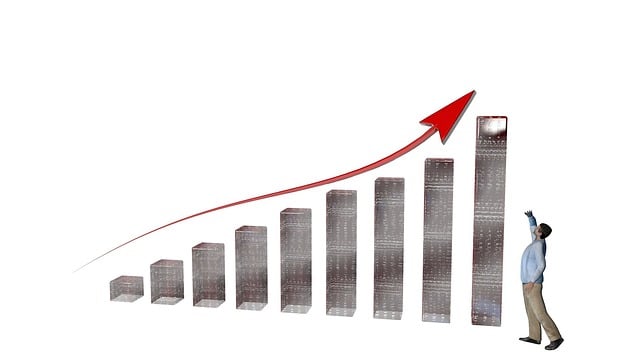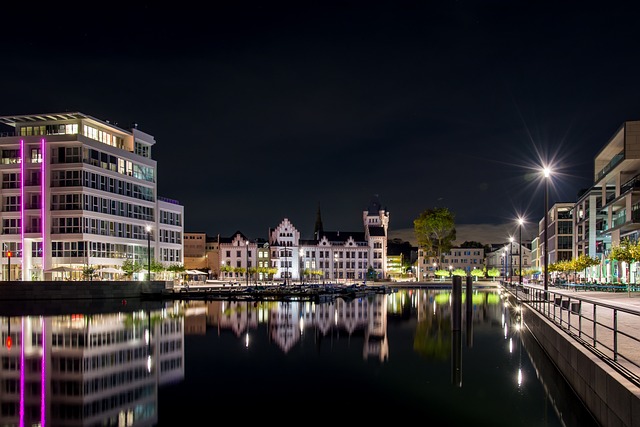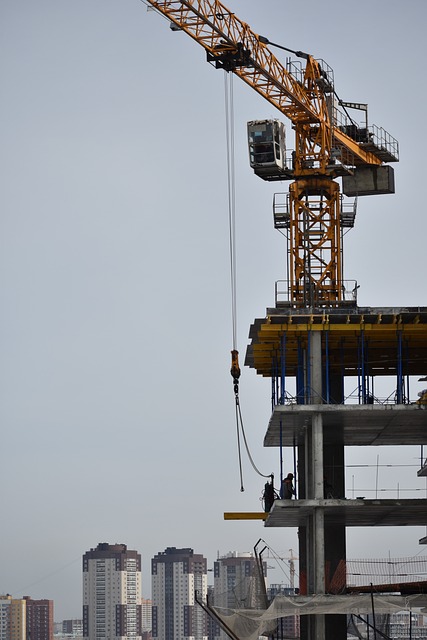

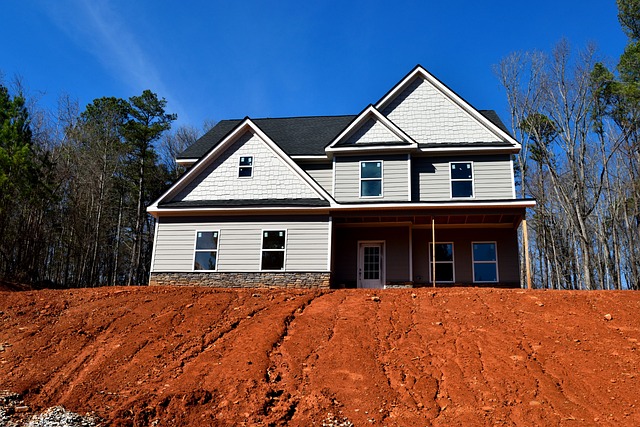



By 2026, Phoenix's build to rent (BTR) market will undergo a significant rebalancing, driven by shifting demographics and urbanization trends. Experts predict elevated demand for high-quality rentals, especially in areas with strong employment growth and desirable lifestyles. To capitalize on this, investors and developers must:
– Conduct thorough supply-demand analyses.
– Focus on mixed-use developments and sustainable building practices.
– Collaborate with communities and stay informed about local regulations and incentive programs.
This rebalancing aims to achieve a balanced housing market, economic growth, and improved quality of life in Phoenix by 2026.
The built environment is undergoing a profound transformation, with the build to rent market emerging as a key driver of urban evolution. As we approach 2026, tracking developments in this sector is paramount for investors, policymakers, and urban planners alike. The current landscape presents a complex picture, marked by both challenges and opportunities. The rebalancing of the build to rent market, particularly in Phoenix, offers a compelling case study. This article delves into the crucial factors shaping this market’s future, providing insights into strategies that can drive sustainable growth and create vibrant urban ecosystems by 2026.
- Analyzing Urban Trends: Building the Future 2026
- Phoenix's Housing Market: Rebalancing Act in Focus
- Build to Rent Strategies: Industry Insights for 2026
- Sustainable Growth: Phoenix 2026 and Beyond
Analyzing Urban Trends: Building the Future 2026

The year 2026 marks a pivotal moment for urban development as cities around the globe continue to evolve in response to shifting demographics and changing lifestyles. Analyzing these trends is essential for urban planners and investors alike, particularly when considering the delicate balance between supply and demand in the build-to-rent market. Phoenix, Arizona stands out as a prime example of this dynamic at play, with its rental market undergoing significant shifts.
One notable trend is the rebalancing of the build-to-rent market, where developers are increasingly focusing on high-quality, long-term rentals to meet the demands of a diverse tenant population. This strategy reflects a growing recognition that simply building for sale properties does not address the needs of those who prefer rental living. In Phoenix, data indicates that the city’s rental supply has been steadily increasing, but demographic changes and urbanization trends suggest that demand will continue to outpace supply, particularly in areas with strong employment growth and amenable lifestyles. This balance is crucial for maintaining a healthy rental market and ensuring stability for both developers and tenants.
To capitalize on these urban trends, investors and developers must conduct thorough Phoenix rental supply vs. demand analyses. Understanding local economic indicators, demographic shifts, and housing preferences is essential. For instance, areas with robust technology sectors and young professionals seeking urban lifestyles present significant opportunities. By aligning construction projects with these insights, developers can build properties that cater to the market’s needs, ensuring high occupancy rates and long-term profitability. Actionable advice includes engaging with local experts, studying successful developments, and staying agile in response to market fluctuations, allowing for swift adjustments to stay ahead of supply-demand imbalances.
Phoenix's Housing Market: Rebalancing Act in Focus

Phoenix’s housing market is poised for a significant rebalancing act by 2026, with the build to rent market playing a pivotal role in this transformation. This shift comes as the city grapples with a stark imbalance between rental supply and demand, a trend that has characterized the Phoenix real estate scene over the past decade. According to recent data, the Phoenix metropolitan area experienced a 15% increase in population from 2010 to 2020, yet rental housing inventory grew by only 7%, leaving a significant gap in available units. This imbalance drives up rental prices and creates a challenging environment for prospective tenants.
The rebalancing act will focus on expanding the rental supply while ensuring that new developments cater to the diverse needs of Phoenix residents. One key strategy involves encouraging more developers to enter the build to rent market, offering attractive incentives such as tax breaks and streamlined permitting processes. This approach has proven successful in other cities facing similar challenges, where increased rental supply has helped stabilize prices and provided tenants with a broader choice of options. For example, Houston saw a 20% jump in rental inventory over four years after implementing build to rent incentives, leading to more competitive rental rates.
Additionally, local authorities should prioritize the development of mixed-use communities that blend residential, commercial, and recreational spaces. Such integrated developments can enhance urban livability while attracting a wider range of tenants. By 2026, Phoenix has the opportunity to emerge as a model for sustainable urban growth, where a well-balanced housing market contributes to economic vitality and improved quality of life for its residents. Actionable steps include conducting a comprehensive rental supply vs demand analysis to identify areas with the greatest need for new housing and implementing policies that foster inclusive, diverse, and vibrant communities.
Build to Rent Strategies: Industry Insights for 2026

The build to rent (BTR) market is poised for significant shifts in 2026, with a notable rebalancing in Phoenix, where supply and demand dynamics are undergoing a crucial transformation. This evolution reflects broader industry trends revealing a mature phase for BTR, shifting focus from speculative construction to tailored, responsive development. The Phoenix market serves as a prime example, witnessing a strategic shift towards addressing the city’s unique rental housing needs.
Recent data indicates a growing demand for quality, affordable rental options in Phoenix, particularly among younger professionals and families seeking permanent residences. This shift is driving developers to reconsider their approaches, moving away from mass-produced, generic units. The future of BTR in Phoenix hinges on creating well-designed, community-focused housing that caters to local preferences and lifestyle needs. This rebalancing requires a deep understanding of the market’s nuances, encompassing factors like employment trends, demographic changes, and transportation infrastructure developments.
By 2026, experts anticipate a more sustainable rental supply in Phoenix, aligned with robust demand. Developers are expected to embrace innovative design solutions, smart technology integration, and environmentally conscious practices to elevate the BTR experience. A successful strategy could involve collaborating with local communities, leveraging data-driven insights for site selection, and prioritizing amenities that foster a strong sense of belonging. This market rebalancing presents an opportunity for developers to carve out profitable niches while addressing critical housing needs in Phoenix.
Sustainable Growth: Phoenix 2026 and Beyond

The Phoenix metropolitan area has been experiencing significant growth over the past decade, with a corresponding shift towards more sustainable and thoughtful development strategies. As we approach 2026, several key trends point to a rebalancing of the build-to-rent market that will shape the city’s future. A deep dive into the rental supply versus demand analysis reveals both challenges and opportunities for developers and investors.
One notable development is the increasing focus on high-quality, mixed-use projects that seamlessly blend residential, commercial, and retail spaces. This integrated approach not only reduces urban sprawl but also fosters more vibrant communities. For instance, the city’s recent approval of several dense, transit-oriented developments illustrates a move towards compact, sustainable growth. As these projects come online, they will help alleviate pressure on Phoenix’s rental market, which has seen a growing demand-exceedance gap. According to recent reports, the area’s population growth outpaces new housing supply, pushing rents higher and creating a favorable environment for build-to-rent investors.
Moreover, 2026 is poised to see a greater emphasis on eco-friendly building practices and energy-efficient design. As the city continues to grapple with climate change impacts, developers are adopting more sustainable construction methods. This trend not only benefits the environment but also aligns with evolving consumer preferences for green spaces and eco-conscious living. By 2026, we expect to see a wave of new developments that prioritize water conservation, renewable energy sources, and smart building technologies, naturally rebalancing the market towards more environmentally responsible housing options.
To capitalize on these trends, investors and developers should focus on staying informed about local zoning regulations and incentive programs promoting sustainable growth. Collaborating with community stakeholders and embracing innovative design will be crucial for success in Phoenix’s evolving landscape. By aligning projects with the city’s long-term vision, they can ensure that the build-to-rent market rebalancing is not just a short-term adjustment but a lasting transformation that benefits both residents and the environment.