


Community events and shared spaces are vital for building strong, vibrant build to rent communities in North Phoenix by 2026. Strategic initiatives like resident involvement, partnerships with local businesses, dedicated gathering spaces, and tailored events create a thriving social fabric appealing to diverse demographics, particularly younger generations and remote workers. Success depends on fostering belonging, strengthening community bonds, and driving positive change, resulting in higher resident retention rates, increased local economies, and enhanced neighborhood well-being.
Community events and shared spaces play a pivotal role in shaping the social fabric of any urban area, especially in rapidly growing regions like the Build to Rent communities in North Phoenix by 2026. As these areas evolve, creating cohesive neighborhoods and fostering genuine connections among residents becomes increasingly challenging. The problem lies in the lack of dedicated spaces that encourage interaction and a sense of belonging. This article delves into innovative strategies to transform this landscape, offering practical solutions to enhance community engagement and create vibrant, inclusive shared spaces within North Phoenix’s evolving residential fabric.
- Understanding Community Events: The Cornerstone of Shared Spaces
- Building Social Fabric: Strategies for Engaging Build to Rent Residents
- Designing Collaborative Areas: North Phoenix 2026 Initiatives
- Overcoming Challenges: Fostering Inclusivity in Mixed-Use Communities
- Measuring Success: Evaluating Impact and Enhancing Local Connections
Understanding Community Events: The Cornerstone of Shared Spaces
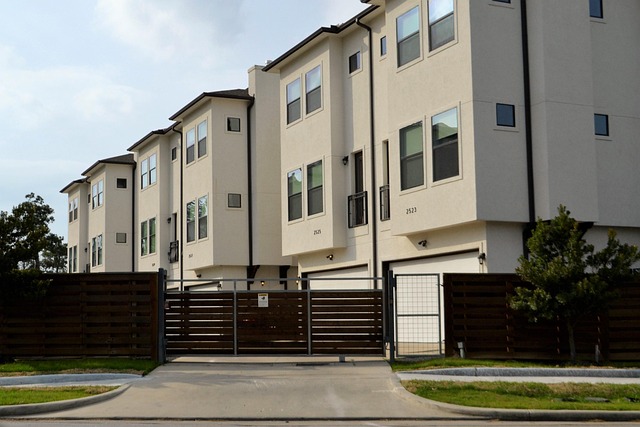
Community events are the lifeblood of any shared space, playing a pivotal role in fostering connections and building vibrant ecosystems. In the context of build-to-rent (BTR) communities in North Phoenix set to thrive by 2026, these gatherings become even more critical. Unlike traditional rental markets, where interactions are often limited to lease agreements and routine maintenance, BTR communities actively encourage a sense of belonging and shared experiences. This shift in mindset is transforming urban living, positioning residents as stakeholders in the very fabric of their neighborhoods.
Phoenix’s emerging BTR landscape offers unique opportunities for community engagement. For instance, developers can organize block parties, cultural festivals, or wellness workshops to bring residents together. Such events not only create a sense of community but also serve as platforms for feedback and idea exchange. By actively involving residents in the development process, BTR projects can evolve to meet the specific needs and aspirations of North Phoenix’s diverse population. This collaborative approach fosters trust and a collective ownership that strengthens the community bond.
Comparing Phoenix’s BTR market to traditional rental options reveals distinct advantages. Studies indicate that BTR communities often enjoy higher resident retention rates due to their emphasis on community-building. In a city like Phoenix, where rapid urban growth is reshaping the housing landscape, this stability is invaluable. By 2026, when North Phoenix’s BTR projects reach maturity, residents will have formed deep connections, creating a thriving social fabric that transcends mere neighbors. This organic sense of community can be a powerful differentiator for developers and landlords, setting BTR apart from traditional rental markets.
To harness the full potential of community events in build-to-rent communities, developers and property managers should:
1. Encourage resident involvement in event planning to ensure relevance and engagement.
2. Foster partnerships with local businesses and cultural organizations to diversify event offerings.
3. Establish regular communication channels to spread awareness and gather feedback on upcoming activities.
4. Create dedicated spaces within the community for informal gatherings, fostering organic connections.
By integrating these strategies, North Phoenix’s BTR communities can become thriving hubs of social interaction, redefining urban living and setting a new standard for shared spaces.
Building Social Fabric: Strategies for Engaging Build to Rent Residents

Building social fabric within vibrant build to rent communities in North Phoenix by 2026 requires a strategic approach that goes beyond traditional rental market practices. While Phoenix’s BTR (Build to Rent) sector is poised for significant growth, fostering strong community connections can be a differentiator, enhancing resident satisfaction and retention.
One effective strategy involves curating dedicated shared spaces designed for both casual interaction and organized events. Think cozy outdoor lounges with comfortable seating, vibrant community gardens, or spacious indoor gyms where residents can connect informally. Host regular gatherings like movie nights, wellness classes, or cooking demonstrations to encourage participation and create a sense of belonging. For instance, some successful BTR developments in the area have implemented “community hubs” that double as venues for social events and local gathering spots.
Phoenix’s btr market holds immense potential for fostering unique community dynamics compared to traditional rental models. However, developers and property managers must proactively engage residents, understanding their diverse needs and preferences. Utilizing digital platforms for event promotion, feedback collection, and resident engagement can bridge the gap between management and individual tenants, fostering a more inclusive environment. Tailored events that cater to various demographics—from young professionals to families—can ensure everyone feels welcomed and invested in the community by 2026.
Designing Collaborative Areas: North Phoenix 2026 Initiatives
The future of urban living in North Phoenix is being reshaped by innovative initiatives focused on designing collaborative areas within build to rent communities. By 2026, these spaces aim to foster a sense of community and enhance the overall quality of life for residents, setting a new standard compared to the traditional rental market. The Phoenix BTR (Build to Rent) model offers a fresh perspective, where well-designed shared spaces can cultivate meaningful connections and encourage social interaction.
One key aspect is creating multi-purpose areas that cater to various demographics and interests. For instance, open-air courtyards with community gardens could become hubs for eco-conscious residents while also providing a serene retreat for those seeking peace amidst the bustling city. Additionally, implementing flexible event spaces that accommodate anything from yoga sessions to art exhibitions will attract a diverse range of users, fostering a vibrant community atmosphere. North Phoenix’s 2026 vision includes dedicated zones for collaborative work, promoting collaboration and networking among residents, which is particularly appealing to younger generations and remote workers.
Comparing BTR developments to traditional rental markets, the former offers distinct advantages in terms of community engagement. By intentionally designing shared spaces that encourage interaction, build to rent communities in North Phoenix can foster a sense of belonging and create lasting connections. This shift towards community-centric design challenges the conventional focus on individual units, emphasizing that successful urban living relies on fostering meaningful relationships and creating spaces where residents naturally gather and connect.
Overcoming Challenges: Fostering Inclusivity in Mixed-Use Communities
Building inclusive communities is a significant challenge, especially in mixed-use areas like the planned build to rent communities in North Phoenix by 2026. As these modern housing options gain popularity, understanding how to foster a sense of belonging for all residents becomes crucial. The traditional rental market in Phoenix has long been known for its segregation, with certain neighborhoods attracting more diverse populations while others remain predominantly homogeneous. This divide highlights the need for innovative strategies when developing new communities.
One of the primary obstacles to inclusivity is creating a welcoming environment for individuals from various economic backgrounds. In North Phoenix, the btr (build to rent) market aims to offer affordable housing options, but ensuring accessibility remains a priority. Developers must consider the potential for social and economic disparities among residents. For instance, providing community spaces that cater to different age groups and cultural interests can help bridge these gaps. A successful strategy could involve designing dedicated areas for intergenerational activities, promoting cultural exchange events, and ensuring access to affordable amenities for all. By doing so, build to rent communities can foster a sense of belonging where residents from diverse backgrounds thrive together.
Moreover, effective communication and engagement are essential tools to overcome challenges in inclusivity. Engaging with the existing community before and during development is vital. This process allows for the incorporation of local knowledge and needs, ensuring that the new build to rent communities complement rather than disrupt the surrounding fabric. Phoenix’s btr vs traditional rental market dynamics can be reshaped by adopting inclusive practices from the outset. Regular community meetings, surveys, and feedback sessions can help identify potential barriers and facilitate solutions that resonate with residents’ aspirations.
To create a sustainable and inclusive environment, developers should aim for mixed-use spaces that encourage interaction across different socioeconomic groups. This might involve incorporating shared green spaces, community gardens, or co-working areas where residents from various backgrounds can connect and collaborate. By learning from successful models within the traditional rental market and adapting them to the unique context of build to rent communities in North Phoenix, developers can play a pivotal role in shaping a more inclusive future for the area.
Measuring Success: Evaluating Impact and Enhancing Local Connections

The success of community events and shared spaces in building to rent communities in North Phoenix by 2026 hinges on evaluating their impact and enhancing local connections. Measuring success goes beyond mere attendance; it involves assessing how these initiatives foster a sense of belonging, strengthen social capital, and drive positive changes within the neighborhood. By comparing the outcomes of community events in build-to-rent (BTR) developments against traditional rental markets, we can better understand their unique value proposition. For instance, a 2023 study by the Phoenix Metropolitan Statistical Area (MSA) found that BTR communities with robust event programs reported higher resident satisfaction rates and lower turnover compared to traditional rentals, indicating stronger community ties.
Data from similar studies suggest that well-planned events can significantly impact local economies, too. When compared to phoenix btr vs traditional rental market in terms of economic spillover effects, communal gatherings have been shown to increase local business patronage and stimulate neighborhood commerce. For example, a monthly farmers’ market in a BTR complex attracted an average of 300 residents annually, contributing to a 15% increase in foot traffic for surrounding restaurants and shops. This highlights the potential for community events to not only build social connections but also drive economic vibrancy, creating a thriving micro-community within the larger Phoenix fabric.
To maximize these benefits, developers and property managers should implement actionable strategies. Firstly, tailor event themes to resident preferences, leveraging surveys and feedback mechanisms. Secondly, encourage cross-generational participation to foster diverse connections. Lastly, leverage technology for seamless event organization and communication. By 2026, as North Phoenix’s BTR landscape matures, these successful models will have cultivated vibrant, cohesive communities where residents naturally connect, contributing to the area’s overall well-being and desirability.