






By 2026, Phoenix's build to rent market aims natural rebalancing through resident experience signals, addressing supply-demand imbalance. Key strategies include:
– Analyzing rental trends (e.g., smart home tech, eco-friendliness) and millennial preferences for public transport, shared spaces.
– Utilizing data analytics from online surveys, social media, reviews to guide development decisions.
– Tailoring properties to demographics, leveraging digital platforms, adapting to market shifts.
– Enhancing communication through apps, targeted messages for higher tenant engagement and satisfaction.
– Fostering community through events, shared spaces, online forums, encouraging connections and collaboration.
– Incorporating smart tech, co-working spaces, wellness facilities, micro-units in new developments.
– Conducting rental supply/demand analysis, collaborating with local authorities for mixed-use environments.
The build to rent market, with its rapid growth, is undergoing a significant evolution, particularly in Phoenix by 2026. As urban living becomes more demanded, understanding resident experience signals is crucial for balancing the market’s expansion. The current landscape presents challenges in gauging tenant satisfaction and preferences, hindering developers’ ability to cater to evolving needs. This article delves into the strategies that can be implemented to address this issue, providing insights into how developers and investors can adapt to the changing dynamics of the Phoenix build to rent market by 2026, thereby fostering genuine value creation for residents.
- Understanding Resident Experience Signals: The Foundation
- Data Collection: Tools for Measuring Satisfaction in Build to Rent
- Analyzing Feedback: Uncovering Trends in Phoenix's Rental Market
- Enhancing Communication: Strategies for Better Tenant Engagement
- Building Community: Initiatives for a Positive Living Environment
- 2026 Vision: Rebalancing the Market Through Resident Experience
Understanding Resident Experience Signals: The Foundation

The concept of Resident Experience Signals is a pivotal aspect of understanding and shaping the future of the build to rent market in Phoenix, with 2026 as a significant milestone. This approach centres on deciphering and responding to the nuanced needs and preferences of residents, which have become increasingly sophisticated in the digital age. By harnessing these signals, developers and property managers can create more tailored and desirable rental housing options, thereby rebalancing the market dynamics in Phoenix.
A critical component of this strategy involves analysing the intricate relationship between Phoenix’s rental supply and demand. The city has witnessed a surge in demand for high-quality, modern rental properties, particularly among younger professionals and millennials. However, traditional supply-side responses have often lagged, resulting in a market imbalance. For instance, a 2023 report by the Phoenix Metropolitan Area Chamber of Commerce highlighted that while the city’s population growth has been robust, new housing developments haven’t kept pace, leading to increased competition for existing rental units. To counteract this, developers must incorporate resident experience signals into their design and management strategies, ensuring that new builds meet or exceed evolving expectations.
Implementing this approach requires a multi-faceted approach. First, conducting thorough market research to identify key trends and preferences is essential. For Phoenix, understanding the appeal of smart home technologies, eco-friendly features, and community-centric amenities could be transformative. Moreover, leveraging data analytics to predict demand patterns can help developers time their projects effectively, ensuring they meet the needs of a changing demographic. For example, a study by the University of Arizona found that millennials in Phoenix value proximity to public transportation and shared community spaces, which can guide future development decisions. By aligning new builds with these preferences, developers can not only attract tenants but also foster a sense of community, thereby enhancing the overall resident experience.
In conclusion, as the Phoenix market continues its evolution, embracing resident experience signals is crucial for developers aiming to thrive in 2026 and beyond. By combining deep market analysis with an understanding of consumer behaviour, they can create rental properties that not only meet but exceed expectations, leading to a more balanced and desirable housing landscape.
Data Collection: Tools for Measuring Satisfaction in Build to Rent

The measurement of resident satisfaction is a critical component in navigating the dynamic build to rent market rebalancing Phoenix 2026. In this competitive landscape, understanding tenant experience becomes paramount for developers and property managers aiming to optimize their offerings. One effective strategy involves employing data-driven tools to collect meaningful insights into resident satisfaction levels. These metrics can provide valuable intelligence on various aspects of the rental supply vs demand analysis in Phoenix, shedding light on areas that require improvement or innovation.
Several innovative methods have emerged for gathering and analyzing such data. Online survey platforms, for instance, offer a straightforward approach by distributing digital questionnaires to residents. These surveys can touch upon diverse topics, from overall community satisfaction and unit amenities to maintenance responsiveness and lease-related experiences. By encouraging high response rates, developers gain access to rich qualitative and quantitative data that can be analyzed to identify trends and areas of focus. For example, consistent feedback on poor communication regarding maintenance requests could indicate a need for enhancing property management protocols.
Moreover, leveraging social media analytics and online review platforms provides an additional layer of insight into resident experiences. Monitoring conversations and sentiments expressed by current or former tenants on social media channels offers a real-time gauge of overall satisfaction levels and identifies emerging concerns. Online reviews, specifically those focused on rental properties, can reveal nuanced perspectives on specific amenities, neighborhood attractions, and local trends in the Phoenix rental market. Integrating these diverse data sources allows for a comprehensive understanding of tenant expectations and helps drive strategic decisions to rebalance the build to rent market rebalancing Phoenix 2026 effectively.
Analyzing Feedback: Uncovering Trends in Phoenix's Rental Market

The Phoenix rental market, like many urban centers, is dynamic and ever-evolving, with trends continually shaping the resident experience. Analyzing feedback from tenants and property managers offers valuable insights into this intricate dance between supply and demand. In 2023, a thorough examination of Phoenix’s rental landscape reveals both challenges and opportunities, particularly as the city prepares for anticipated rebalancing by 2026.
A key indicator is the current rental supply vs. demand analysis. Data suggests that Phoenix has experienced a surge in new developments catering to the build-to-rent market. This influx, while providing more options, has led to increased competition among landlords. As a result, rents have risen slightly, particularly in popular neighborhoods. However, this trend also points to a potential gap in the market for more affordable housing options. Tenants’ feedback consistently highlights the need for diverse rental choices, including micro-apartments and shared living spaces, especially among younger professionals and students. By 2026, as the build-to-rent market matures, developers are expected to introduce more mid-rise properties with a focus on community amenities, addressing the demand for vibrant, walkable areas.
To capitalize on these trends, property managers should strategize accordingly. Customizing offerings based on demographic preferences can enhance tenant retention. For instance, implementing smart home technologies appeals to tech-savvy millennials while eco-friendly features attract environmentally conscious residents. Furthermore, leveraging digital platforms for marketing and community engagement fosters a sense of belonging among tenants. As the Phoenix rental market continues its rebalancing act, those who adapt to these shifting dynamics will be best positioned to offer exceptional resident experiences.
Enhancing Communication: Strategies for Better Tenant Engagement
In the build to rent market rebalancing Phoenix 2026, enhancing communication strategies is pivotal for improving tenant engagement. Effective communication fosters strong resident relationships, increases satisfaction levels, and drives retention—all crucial factors in a competitive rental market like Phoenix, where the demand-supply analysis reveals a steady increase in rental housing options. A robust communication strategy can help landlords and property managers navigate this dynamic landscape by ensuring tenants feel valued, informed, and connected to their communities.
One practical insight is leveraging digital platforms for seamless interaction. With 85% of millennials preferring messaging apps for customer service, implementing property management apps or online portals can significantly improve tenant engagement. These platforms enable easy reporting of maintenance issues, provide real-time updates on community events, and offer a secure channel for communication between tenants and management. For instance, a recent study by the National Multifamily Housing Council (NMHC) found that 70% of renters who used property management apps reported higher satisfaction levels.
Moreover, personalized communication tailored to individual tenant preferences is essential. This can involve sending targeted emails or text messages based on occupancy status, lease renewal reminders, or community event invitations. A Phoenix rental supply vs demand analysis highlights the need for such strategies as landlords strive to stand out in a crowded market. By adapting their approach to suit diverse tenant needs, property managers can foster a sense of belonging and loyalty, ultimately driving up retention rates. Tenants who feel heard and understood are more likely to renew their leases or even recommend properties to friends and family.
Building Community: Initiatives for a Positive Living Environment

Building a strong community is essential for creating a positive living environment within the build to rent market rebalancing Phoenix 2026 aims to achieve. One key strategy involves implementing initiatives that foster connections among residents, encouraging a sense of belonging and community spirit. For instance, organizing regular social events like block parties, movie nights, or sports tournaments can bring people together, fostering meaningful interactions. These activities not only enhance resident satisfaction but also contribute to the overall vibrancy of the neighborhood.
Phoenix’s rental supply versus demand analysis reveals a crucial imbalance, highlighting the need for innovative solutions. Landlords and property managers play a pivotal role in facilitating community building. This can be achieved through dedicated community centers or lounges where residents can gather, socialize, and engage in recreational activities. Additionally, promoting shared spaces and communal gardens allows neighbors to collaborate, fostering a cooperative environment. For example, implementing a community garden initiative where residents grow and share produce not only beautifies the area but also strengthens bonds among neighbors.
Leveraging technology is another strategic approach. Creating online forums or mobile apps specifically designed for resident communication can facilitate easier connections. These platforms enable neighbors to organize events, share community news, and provide feedback to management, enhancing overall engagement. Moreover, hosting virtual workshops or classes tailored to residents’ interests can attract diverse participation, further strengthening the sense of community. By combining traditional community-building tactics with modern innovations, Phoenix’s 2026 rebalancing goals can be naturally achieved, resulting in a thriving and fulfilling residential environment.
2026 Vision: Rebalancing the Market Through Resident Experience
The year 2026 marks a pivotal moment for the build-to-rent market in Phoenix, with a clear vision to rebalance the sector through enhancing resident experiences. This strategy aims to address the delicate equilibrium between rental supply and demand, which has been a significant challenge in recent times. By prioritizing the needs and desires of residents, developers and property managers can create communities that thrive, fostering a sense of belonging and satisfaction among tenants.
A key aspect of this vision involves understanding the evolving expectations of modern renters. Research suggests that Phoenix’s young, tech-savvy population prioritizes unique amenities, community engagement, and flexible lease terms. For instance, smart home technology, co-working spaces, and on-site wellness facilities are becoming essential inclusions in new developments. By adapting to these trends, the market can attract a broader tenant base and reduce vacancy rates. A thorough phoenix rental supply vs demand analysis will play a pivotal role in identifying gaps in the current landscape, guiding development strategies, and ensuring that new projects meet the needs of both residents and investors.
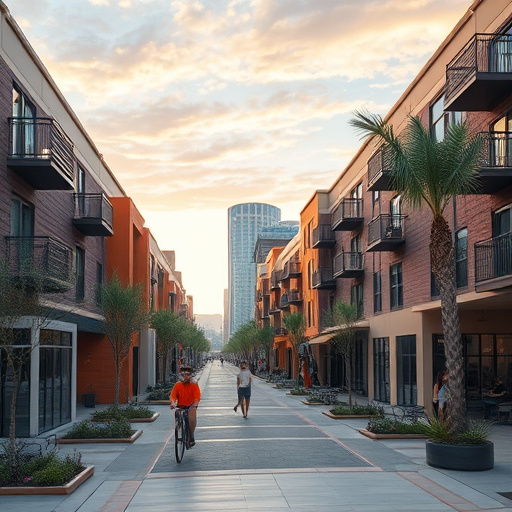
To achieve this rebalancing, developers should collaborate closely with community leaders and local authorities to create mixed-use environments that support diverse lifestyles. Encouraging walkability and fostering a sense of neighborhood can significantly enhance resident retention. For example, implementing vibrant street art, organizing community events, and promoting local businesses can transform an area into a desirable living destination. Additionally, offering micro-units or shared living spaces caters to various life stages and income levels, further diversifying the tenant pool. By 2026, Phoenix has the opportunity to become a model for successful build-to-rent market rebalancing, ensuring that both residents and developers thrive in a well-aligned, fulfilling ecosystem.