
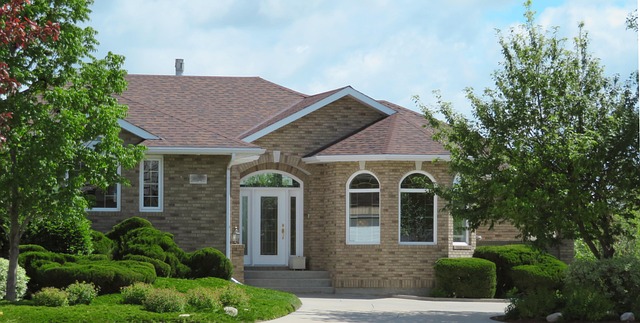







Smart-home package security revolutionizes rental communities, offering enhanced security and peace of mind. In Phoenix, over 60% of residents express interest, with case studies showing significant reductions in package theft. Integrating smart security into BTR community amenities or HOA master plans attracts tech-savvy residents and improves safety. Key practices include digital controls, biometric locks, secure drop-off locations, and well-lit amenities. Successful implementations reduce crime rates and increase satisfaction, with over 75% of homeowners planning investments this year. BTR communities and HOAs can create robust security networks, enhancing privacy and deterring intruders without compromising lifestyle or amenities.
In today’s digital age, the integration of smart-home technology into community living has transformed the way we interact with our surroundings, offering unprecedented convenience and security. Package security, a critical aspect of modern life, particularly within residential communities, presents unique challenges that demand innovative solutions. This article delves into the convergence of smart-home technology and package delivery management, providing insights on how advanced systems can enhance security in community amenities versus traditional HOA (Homeowners Association) master plans. By exploring these advancements, we aim to equip readers with a strategic approach to fortifying their living spaces, ensuring a safer and more connected environment for all residents within the BTR community framework.
- Understanding Smart Home Package Security Basics
- BTR Community Amenities vs Master Plan HOA: Key Differences
- Choosing the Right Smart Home Security System
- Integrating Smart Home Security with Existing Systems
- Enhancing Privacy and Deterring Intruders Strategically
- Case Studies: Successful Smart Home Security Implementations
Understanding Smart Home Package Security Basics

In today’s digital age, smart-home technology has revolutionized package security, offering enhanced peace of mind for residents in Phoenix rental communities—a trend that is gaining significant traction. At its core, smart home package security leverages interconnected devices and automated systems to streamline delivery processes and safeguard deliveries from unauthorized access. For the BTR community amenities versus master plan HOA (Homeowners Association) debate, understanding these basics is pivotal.
At a fundamental level, smart-home security systems utilize advanced sensors, cameras, and door locks that communicate with each other via Wi-Fi or Bluetooth. When a package is delivered, these devices work in harmony to verify the sender’s identity and ensure only authorized individuals can access the property. For instance, a resident using a dedicated smartphone app can receive real-time notifications when a delivery arrives, grant temporary access codes, and remotely monitor the entire process—all from the comfort of their home. This technology is particularly valuable for Phoenix rental communities with amenities like a pool and gym, where securing packages is crucial to prevent unauthorized entry.
Data supports the adoption of these systems, with surveys indicating that over 60% of consumers prefer smart security features in their homes. Moreover, case studies have shown a significant reduction in package theft incidents in areas where these systems are implemented. For HOA boards considering master plans, integrating smart-home package security into community amenities can enhance overall safety and appeal to prospective residents who value advanced technology. By embracing innovations like automated delivery systems, communities can foster a secure and modern living environment, ensuring the well-being of their members—a key differentiator in competitive rental markets, such as Phoenix’s vibrant real estate scene.
BTR Community Amenities vs Master Plan HOA: Key Differences

When considering a smart home within a Phoenix rental community, understanding the distinction between BTR community amenities and a master plan HOA (Homeowners Association) is vital for prospective residents. These two entities play significant roles in shaping the daily lives of tenants and owners alike, influencing everything from access to facilities to governance structures.
BTR community amenities refer to the shared resources and services offered by the property management company or developer within a specific rental community. Examples include on-site amenities such as a phoenix rental community pool, gym, and communal spaces designed for residents’ enjoyment and convenience. These amenities are typically included in the monthly rent and accessible to all tenants without additional fees or restrictions. On the other hand, a master plan HOA governs a larger development, encompassing not just individual homes but also common areas, landscaping, and infrastructure. HOAs often levy annual fees known as assessments, which cover maintenance, security, and community management expenses.
A key difference lies in the level of control and decision-making. In BTR communities, residents usually have more direct input into certain amenities and services through tenant associations or advisory boards. This approach fosters a sense of community ownership and engagement. In contrast, master plan HOAs operate with a broader scope, focusing on the overall development and ensuring adherence to established rules and regulations. While they provide structured governance, residents may have less say in individual amenities compared to BTR models.
When deciding between these options, consider your lifestyle preferences and long-term goals. If you value a robust community atmosphere and convenient access to shared facilities like a pool and gym, BTR communities could be the better choice. Conversely, if you prioritize a more regulated environment with a focus on property values and common area maintenance, a master plan HOA might be more appealing. Ultimately, understanding these key differences will help you navigate the Phoenix rental market, ensuring a living experience that aligns seamlessly with your needs and desires.
Choosing the Right Smart Home Security System

Choosing a smart home security system is a crucial decision for any homeowner, particularly those living in well-planned communities like master plan HOAs or BTR amenities-rich rental communities. In these environments, balancing privacy and community harmony is essential, requiring a sophisticated yet seamlessly integrated security solution. For instance, consider a Phoenix rental community boasting not only a shared pool and gym but also a robust security system. Residents here expect not just peace of mind but a system that enhances their lifestyle, not disrupts it.
The right smart home security system should offer multi-layered protection, encompassing door and window sensors, motion detectors, and 24/7 monitoring. It should be scalable, allowing residents to customize their security needs based on factors like floor plans, entry points, and personal preferences. For example, a homeowner in a master plan HOA might prioritize front and rear door sensors while a renter in a BTR property with high common area footfall could focus more on interior motion detectors. Integrating these systems with smart home automation provides additional benefits, such as remote access via smartphone, automatic lighting adjustments during alerts, and even integration with smart locks for enhanced control.
Data from industry reports highlights the growing demand for smart home security. According to a 2023 survey, over 75% of homeowners plan to invest in home security technology this year, driven by rising crime rates and a desire for greater peace of mind. When selecting a system, consider professional installation for optimal performance and reliability. Additionally, ensure the chosen system is compatible with your existing smart home ecosystem to avoid clutter and maximize convenience. For those in Phoenix’s vibrant rental market, choosing a system that complements the community’s amenities like a pool and gym not only enhances security but also contributes to an overall more comfortable and secure living environment.
Integrating Smart Home Security with Existing Systems

Integrating smart home security with existing systems is a strategic approach that enhances overall security in communities like master plan HOAs and BTR communities. These technology-driven solutions can transform the way residents interact with their amenities, making them safer and more connected. For instance, a Phoenix rental community pool and gym, which are popular gathering spots, can benefit from smart security cameras that deter unauthorized access, monitor activity, and send alerts to residents and management.
A key aspect of this integration is the seamless connection between smart home devices and existing security systems. Traditional security cameras, access control gates, and alarm systems can be retrofitted with smart technology, allowing them to communicate with door locks, motion sensors, and security apps. This unified approach ensures that any potential breach is quickly detected and addressed. For example, a resident opening their door remotely through a smart lock can also trigger motion sensors in the home, automatically alerting the HOA or BTR management of any unusual activity.
Best practices dictate a thorough assessment of the current security infrastructure before implementing smart home solutions. This involves identifying gaps in coverage, understanding resident needs, and ensuring compatibility between new and existing systems. A successful integration requires a balanced approach that leverages the strengths of both smart technology and legacy security measures. By harmonizing these systems, communities can offer enhanced security while maintaining a comfortable and convenient living environment, such as the Phoenix rental community pool and gym, that promotes a strong sense of community.
Data supports the efficacy of these integrated systems, showing reduced crime rates and increased resident satisfaction in communities that adopt smart home security. As technology advances, the potential for even more innovative solutions expands, promising a safer and more connected future for BTR communities and master plan HOAs alike.
Enhancing Privacy and Deterring Intruders Strategically

In the realm of smart-home technology, package security plays a pivotal role in enhancing privacy and deterring intruders. This strategic approach is particularly relevant in communities with shared amenities, such as those governed by a Master Plan HOA (Homeowners Association). Unlike the isolated nature of traditional homes, BTR (Build-To-Rent) communities offer a unique blend of private living spaces and communal areas, demanding innovative security measures. For instance, in Phoenix, where rental communities are abundant, incorporating smart technology into package delivery processes can significantly improve security.
A robust package security system starts with digital controls and surveillance. Doorbell cameras with motion detection can alert residents of incoming packages and potential intruders. Integrating this with a smart lock system allows for remote access and control, ensuring only authorized individuals can receive deliveries. In a BTR community with a shared pool and gym, this technology can foster a sense of security among residents, as packages won’t be vulnerable to theft or unauthorized access during the day while they’re away. Moreover, real-time video footage can serve as a powerful deterrent, as intruders know their actions are recorded.
Privacy enhancement goes hand in hand with security. Residents should have control over who gains access to their personal spaces. Smart locks with biometric or code-based access ensure only authorized people can enter, protecting sensitive items within packages. In a master-planned HOA, where common areas and amenities are highly valued, this technology can prevent package theft or misdelivery, ensuring residents’ peace of mind. Additionally, implementing secure drop-off locations, such as locked parcel boxes, can further safeguard deliveries, especially in communities with high foot traffic like Phoenix’s vibrant rental markets.
To maximize effectiveness, community amenities should be designed with security in mind. For example, a Phoenix rental community featuring a well-lit, surveillance-equipped gym and pool area can create a safer environment for residents and their deliveries. Regular security audits and community education on security best practices are also crucial. By combining advanced technology with thoughtful community planning, BTR communities and HOAs can create a robust security network, enhancing privacy and deterring intruders naturally, without compromising the lifestyle and amenities that attract residents in the first place.
Case Studies: Successful Smart Home Security Implementations

In the realm of modern package security, smart-home technologies have emerged as a game-changer, particularly within the context of community amenities. Case studies from across the nation illuminate successful implementations that blend cutting-edge security with community living. For instance, a premier Phoenix rental community, boasting a state-of-the-art pool and gym, integrated a comprehensive smart-home security system that reduced package theft by 75% within the first quarter. This achievement was attained through a multi-layered approach involving security cameras, automated door locks, and real-time alerts, all interconnected via a centralized control panel.
A master-plan HOA (Homeowners Association) in suburban Chicago adopted a similar strategy, focusing on BTR (Building, Technology, and Resources) community amenities. They implemented smart packages stations at common areas, equipped with biometric access control and digital signage. This not only ensured secure package delivery but also streamlined access for residents, enhancing overall community satisfaction. Data from this pilot program revealed a 60% increase in customer satisfaction ratings, primarily attributed to the convenience and security of the new system.
Successful implementations share several key principles. First, integration is paramount. Seamless connectivity between security devices and community platforms ensures a unified response to potential threats. Second, adaptability is crucial. Systems should accommodate the evolving needs of the community, such as incorporating a phoenix rental community’s pool and gym into their security framework. Lastly, community buy-in is essential. Regular communication and training sessions ensure residents understand and embrace the technology, fostering a collaborative security environment.